
State Capacity Isn't FascismDec 19
tech companies give the government, historically dumb and slow, cutting-edge tools to enforce the law of the land. don't like it? change the law, don't blame the toolmakers.
56 Likes
4 Comments
Jul 14, 2026
Trae Stephens is a partner at Founders Fund and cofounder of Anduril Industries, a defense technology company building autonomous systems. He is also the cofounder of Sol, a next-generation wearable e-reader, and was an early employee at Palantir Technologies, where he helped scale the company’s work in defense and intelligence.
In May, while giving the commencement address at the University of Arizona, former Google CEO Eric Schmidt attempted to wax poetic about the transformational power of AI. He was met with a sea of boos so loud and sustained he ultimately had to plead with the audience: “May I finish?”
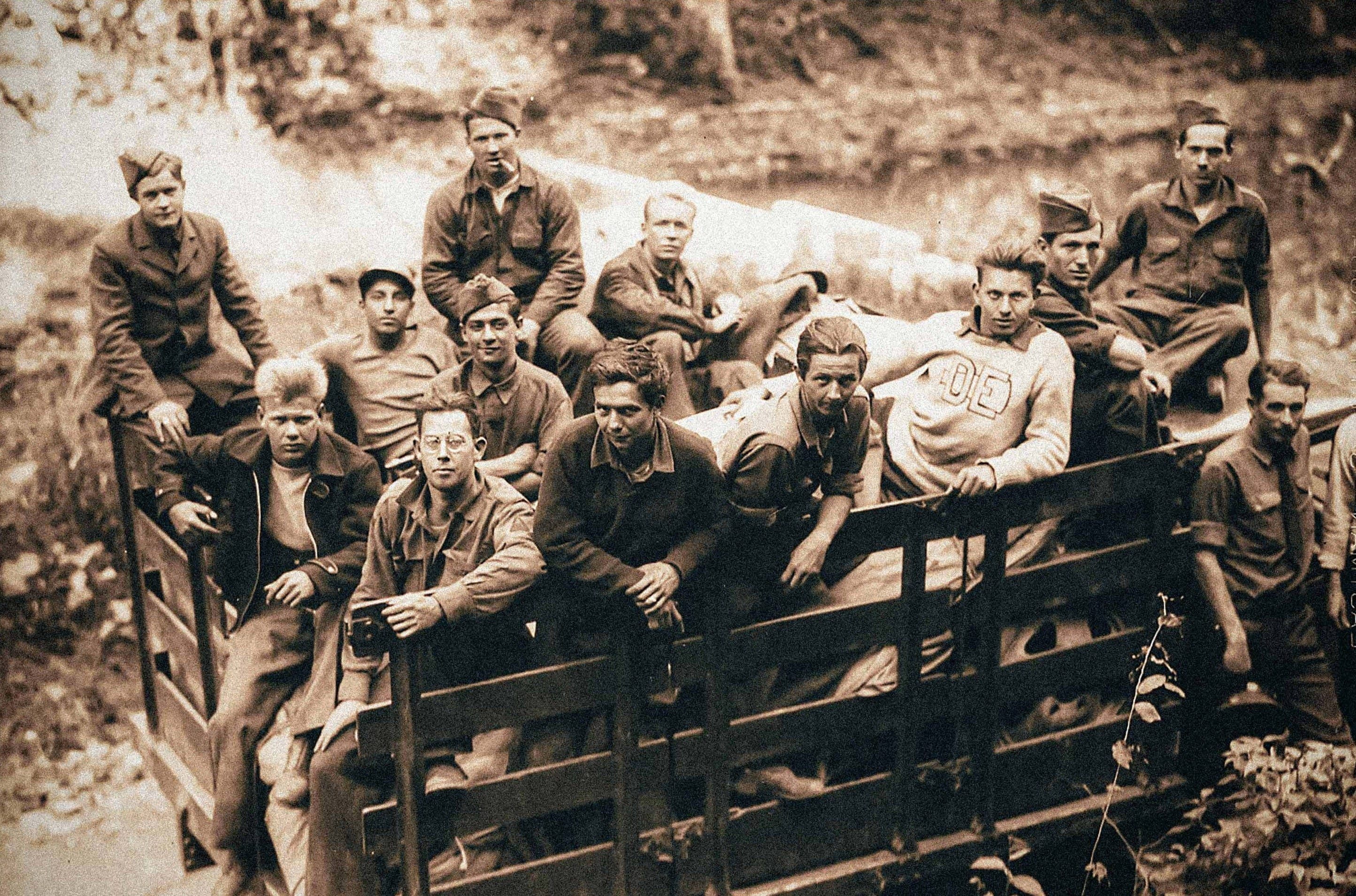
Young people are right to be worried about AI. It has already disrupted the traditional college-to-job pipeline, adding even more uncertainty to the employment prospects of debt-riddled 20-somethings. Addressing their concerns requires a fresh look at an idea our country has been debating since the Civil War: mandatory national service.
The job-loss data suggest that AI’s initial disruptions will be most heavily concentrated among young, white-collar workers with the fewest skills. Since 2022, joblessness among recent college graduates has increased twice as fast as the rest of the workforce. Employment among early 20-somethings with skills most easily replaced by AI — paralegals, customer service reps, entry-level coders — has declined substantially faster than among young people in other professions. And whether AI proves job-destructive or not over the long-term, there was already a growing sense among college grads that the old deal wasn’t working as advertised.
The standard arguments in favor of mandatory service — cultivating lagging patriotism through shared sacrifice; rebuilding infrastructure with young workers who need hard skills; moderating class stratification and partisan division through demographic intermixing — have never been enough to sway the public, and the occasional efforts to actually establish a concrete program have all fizzled out.
AI changes the calculus.
tech companies give the government, historically dumb and slow, cutting-edge tools to enforce the law of the land. don't like it? change the law, don't blame the toolmakers.

ready player one. what did you get done this week?

inside the state department's effort to recruit a new generation of young patriots for america's diplomatic corps