
Infinity EnginesMar 12
an imaginative portal into the future of ai-powered video games
5 Likes
7 Comments
Nov 9, 2026

“These violent video games are turning children into psychopaths!”
…I regret to inform you, caricature of a concerned parent from the 90s, that today’s video games are warping the minds of children into something far, far worse:
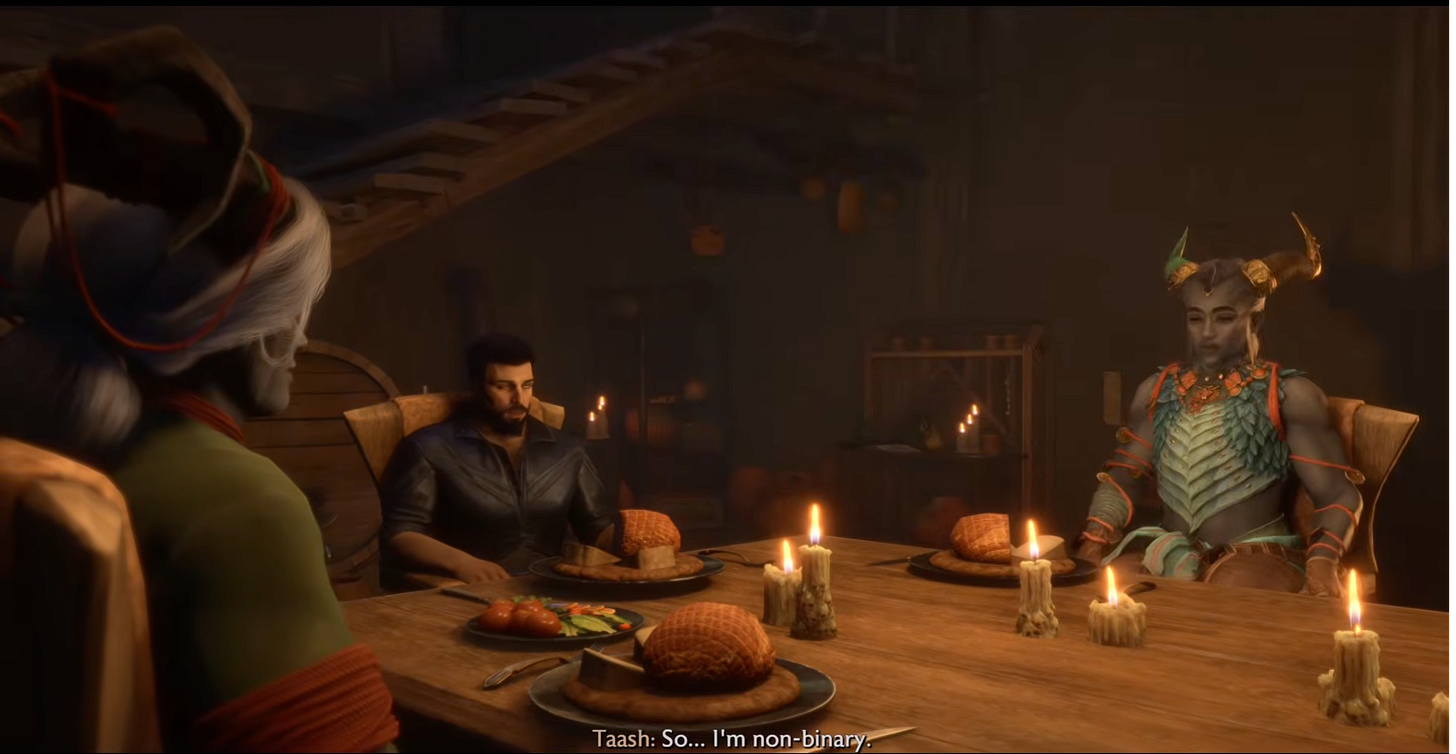
In the fantasy world of Thedas in Dragon Age: The Veilguard (2024), players face a potential apocalypse — but the bigger threat to be addressed is evidently that your non-binary minotaur sidekick Taash keeps getting misgendered.
Unsurprisingly, The Veilguard was a commercial failure on launch, selling only half the copies projected. Viral clips of the weapons-grade wokeness contained within the game certainly contributed to keeping those numbers well below expectations.
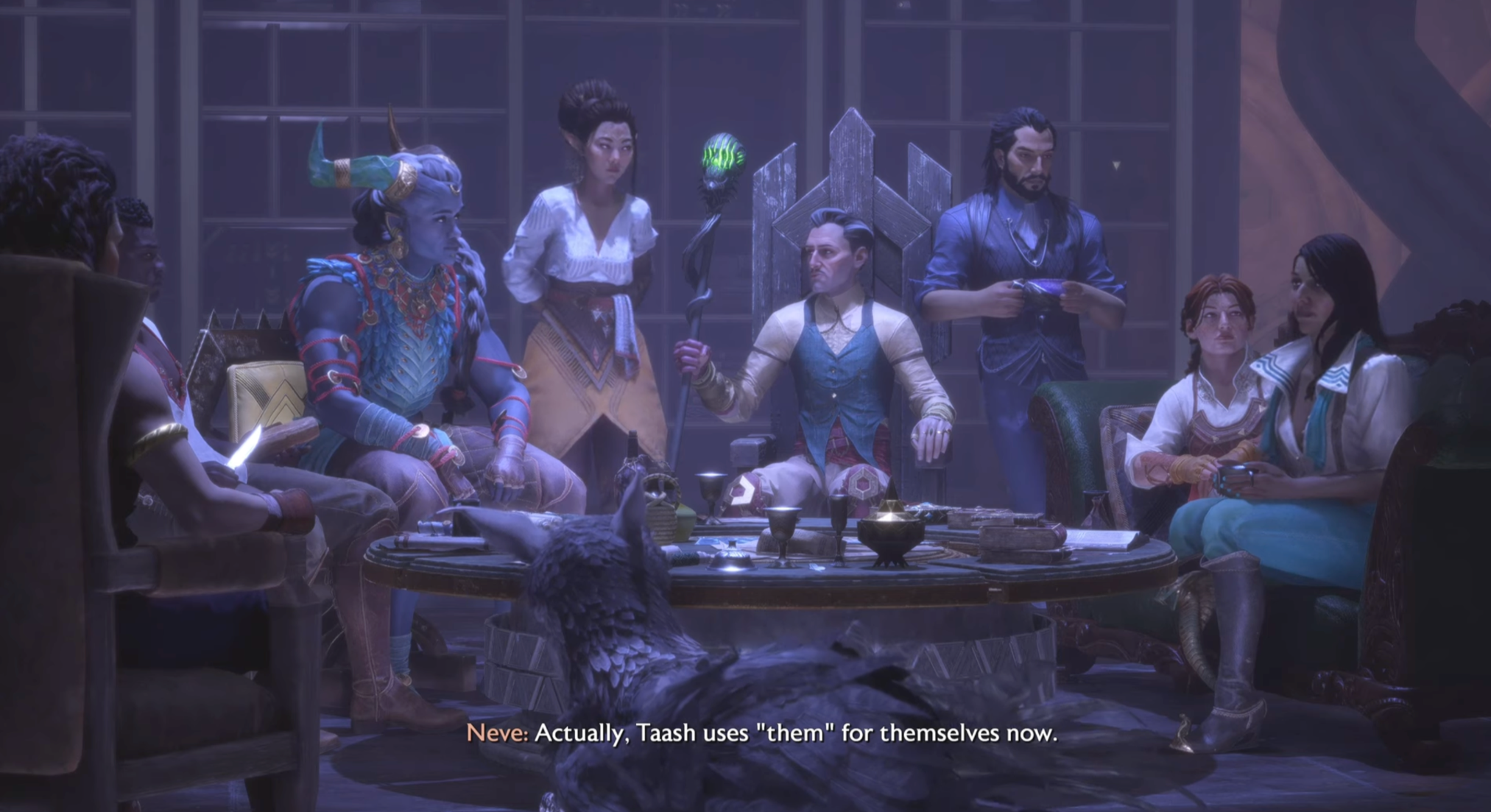
It wasn’t a total bust, however, at least not in some circles. Dragon Age went on to win Game of the Year at the 2025 “Gayming Awards,” which definitely counts for… something. But BioWare — the once-legendary studio behind the game — shut down on October 21st of this year. Dragon Age was the studio’s last project.
BioWare’s fall from grace is no outlier. It is, instead, a perfect microcosm of what has happened to gaming — and entertainment — writ large. Founded in 1995 by three doctors making video games in a basement, the studio went on to create some of gaming’s most beloved franchises (Baldur’s Gate, Mass Effect, Dragon Age) before being bought out by industry behemoth Electronic Arts in 2007; EA then sold to private equity in August of this year, right before shutting down BioWare.
EA’s acquisition of BioWare exemplified a shift toward corporate consolidation happening industry-wide. As of 2022, game studio mergers and acquisitions outnumbered new studio foundings three to one, according to McKinsey. And while BioWare went on to release some of its most acclaimed games under EA initially, it eventually succumbed to the pressures of corporatization. BioWare’s final original three games were all commercial disappointments.
As gaming became big business in the 2000s and 2010s, small teams of nerdy developers working tirelessly to realize their artistic visions gave way to massive companies employing hundreds or even thousands of people. Games that once let players mow down demons and ogle scantily clad women now had to be run by risk-averse, politically correct executives and focus groups. Brutal violence could stay, of course, but offending certain respectable cultural sensibilities? Unthinkable. The era of the passionate basement dweller coding his personal dream game from scratch had come and gone. Gaming became… boring.
Enter: AI. (And the indie gamers using it to make games fun again.)
an imaginative portal into the future of ai-powered video games

your digital possessions are revocable and subject to revision at any moment. how did we get here?

charlie curran is making ai-generated movies about iran and the rizzler, among other things, entertaining millions and building an ai film studio while hollywood panics

ai slop is getting harder to spot. pangram ceo max spero has a plan.

a pirate wires investigation found congressman ro khanna likely used AI to defend his ideas regarding a billionaire wealth tax and data center ban

pirate wires #136 // paid influencers, foreign bot armies, and a biblical flood of AI-generated content — how much of our internet is real? and is there any way to save ourselves from slop?