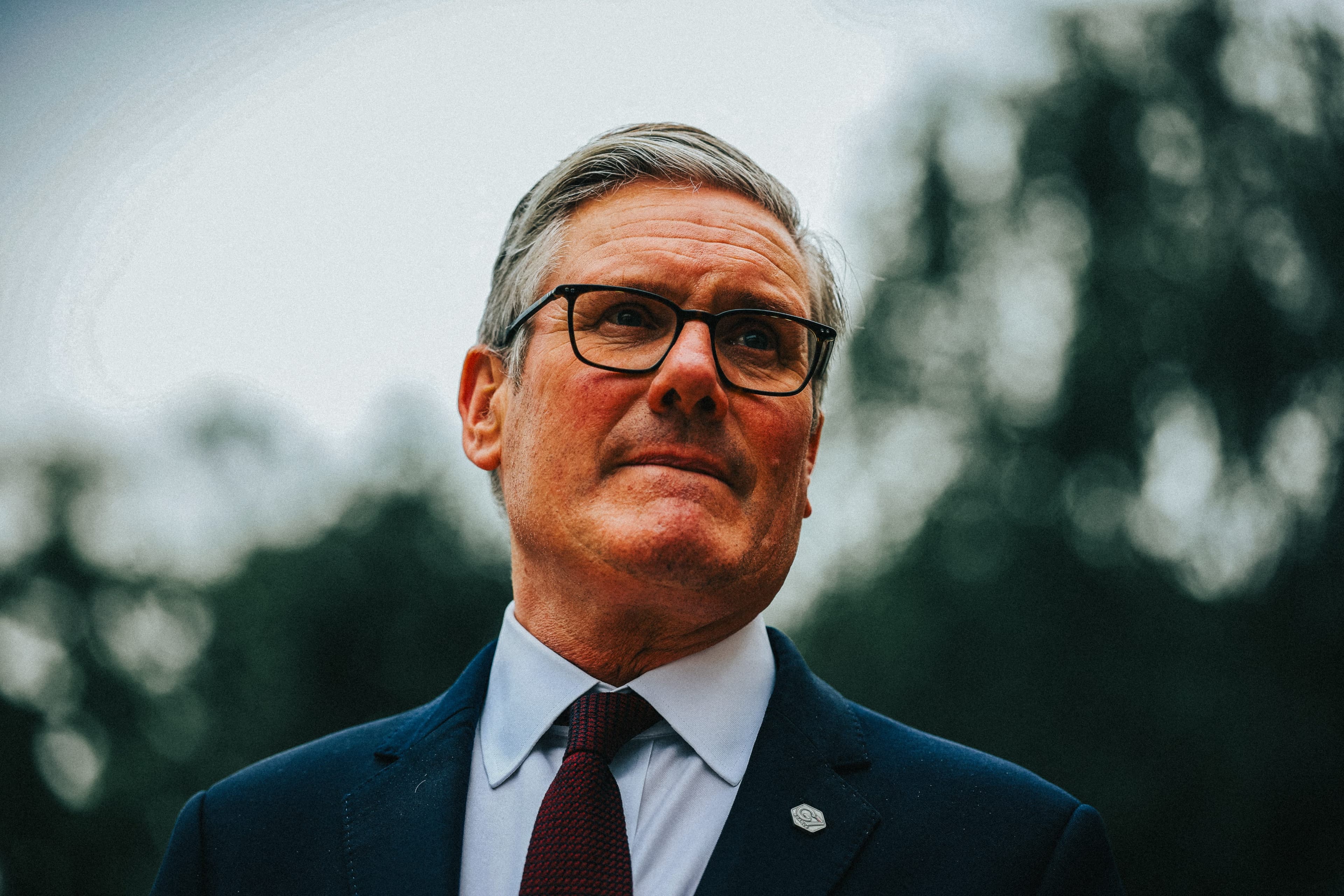
Keir Starmer announced this week that Britain will ban children under 16 from social media. By next spring, kids will be barred from platforms including TikTok, Instagram, Snapchat, YouTube, Facebook and X. Any platform that fails to keep them out could face multimillion-pound fines. The government is also weighing an overnight social media curfew for under-18s, because the state apparently now has authority over what time kids go to bed. The measures go before Parliament before Christmas, and given Labour’s majority and the cross-party appetite for a ban, it’s likely to pass with little trouble.
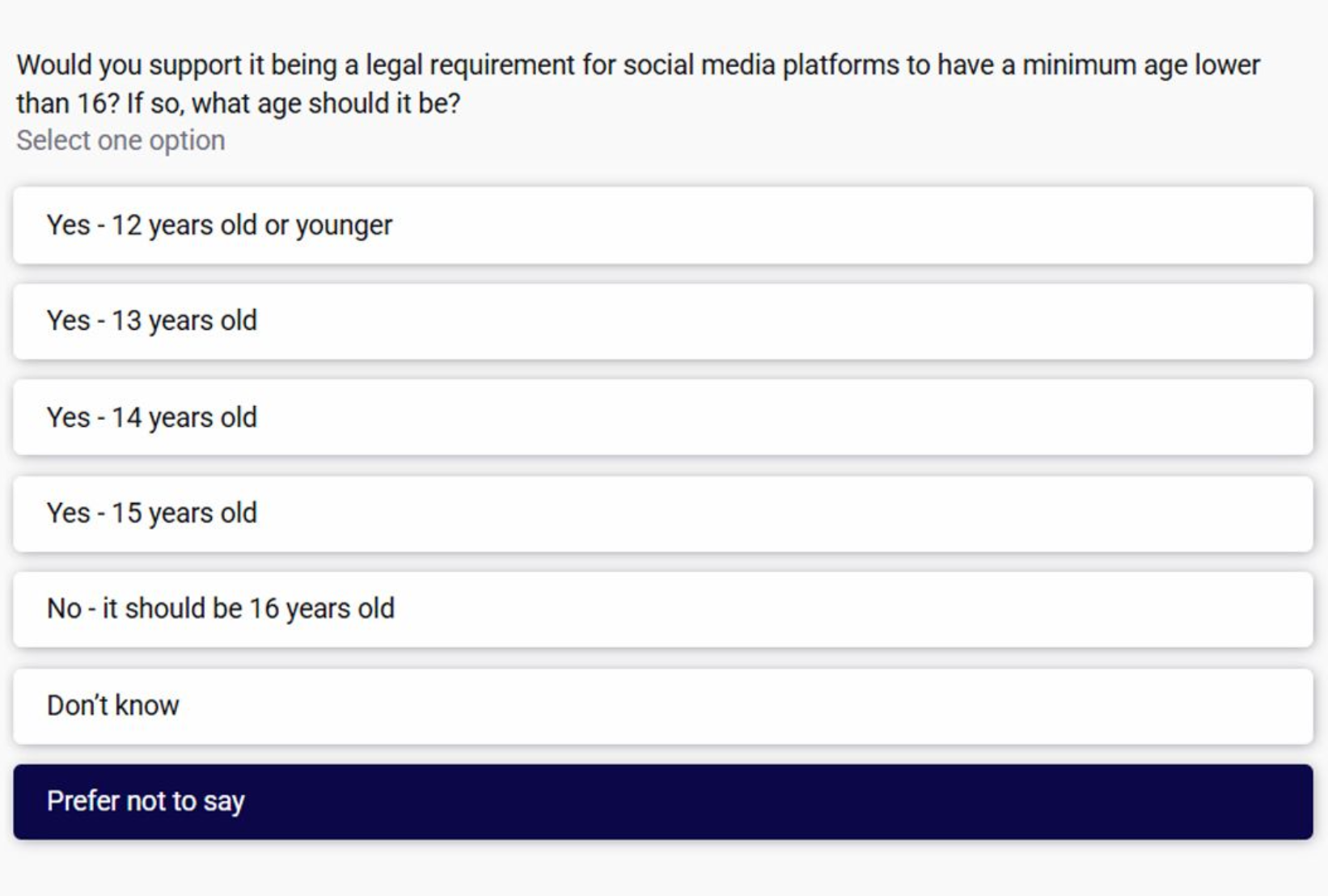
The UK has proudly reported 90 percent support for the ban, the result of a masterfully designed survey of 116,000 self-selected participants who were never actually given the option to oppose it:
Opponents of the ban, including Elon Musk and a wave of X posters, have called it backward and hypocritical. They point to the absurdity of expelling millions of teens from some of the largest public squares while letting 17-year-olds legally drive, work, enlist, donate blood and have a child. But God forbid they open TikTok after curfew. Proponents like Jon Haidt, a self-proclaimed “technoskeptic” who wrote The Anxious Generation, argue that access to social media is associated with major mental health and safety concerns for children, and much like tobacco companies, social media platforms should not be allowed to “recruit and retain child users.”
Lost in the discourse, however, is the question of how Britain intends to implement the policy. To keep every 15-year-old off Instagram, the state argues it has to know who is 15. And how do you know who is 15? You don’t… unless you screen everyone, argues Keir Jung Un. Social media users of all ages will thus be pushed into a state-mandated age-verification regime requiring face scans, digital IDs, passport information or credit-card details, effectively outlawing anonymous posting, and driving another nail into the coffin of British free speech.
Not that there is much left to bury.
Police forces in England and Wales already make more than 30 arrests a day, on average, for online communication offenses involving messages deemed “grossly offensive” or intended to cause “distress or anxiety” (has anyone figured out what this means?).
Of course, this initiative would make it impossible for Brits to challenge, investigate, expose, criticize, or simply voice thoughts under a pseudonym without a government already hostile to free speech knowing their legal name. And anonymity is a bedrock of free speech. Anons on X, for example, are among the most consequential and influential posters of our time, their anonymity allowing them to punch above their weight in shaping online culture and real-world discourse (cough cough, Libs of TikTok and Autism Capital). In Belarus, anon Telegram channels like NEXTA let protesters coordinate against Lukashenko without handing the regime a ready-made list of dissidents to round up. In Hong Kong, encrypted apps, pseudonymous forums, AirDrop, and masked organizing kept pro-democracy activists from becoming immediate police targets, buying a movement time before the arrests began.
While Britain’s effective ban on anonymity sounds eerily 1984-coded, it’s the direct result of years of the UK expanding its definition of hate speech — and this has been happening in America, too.