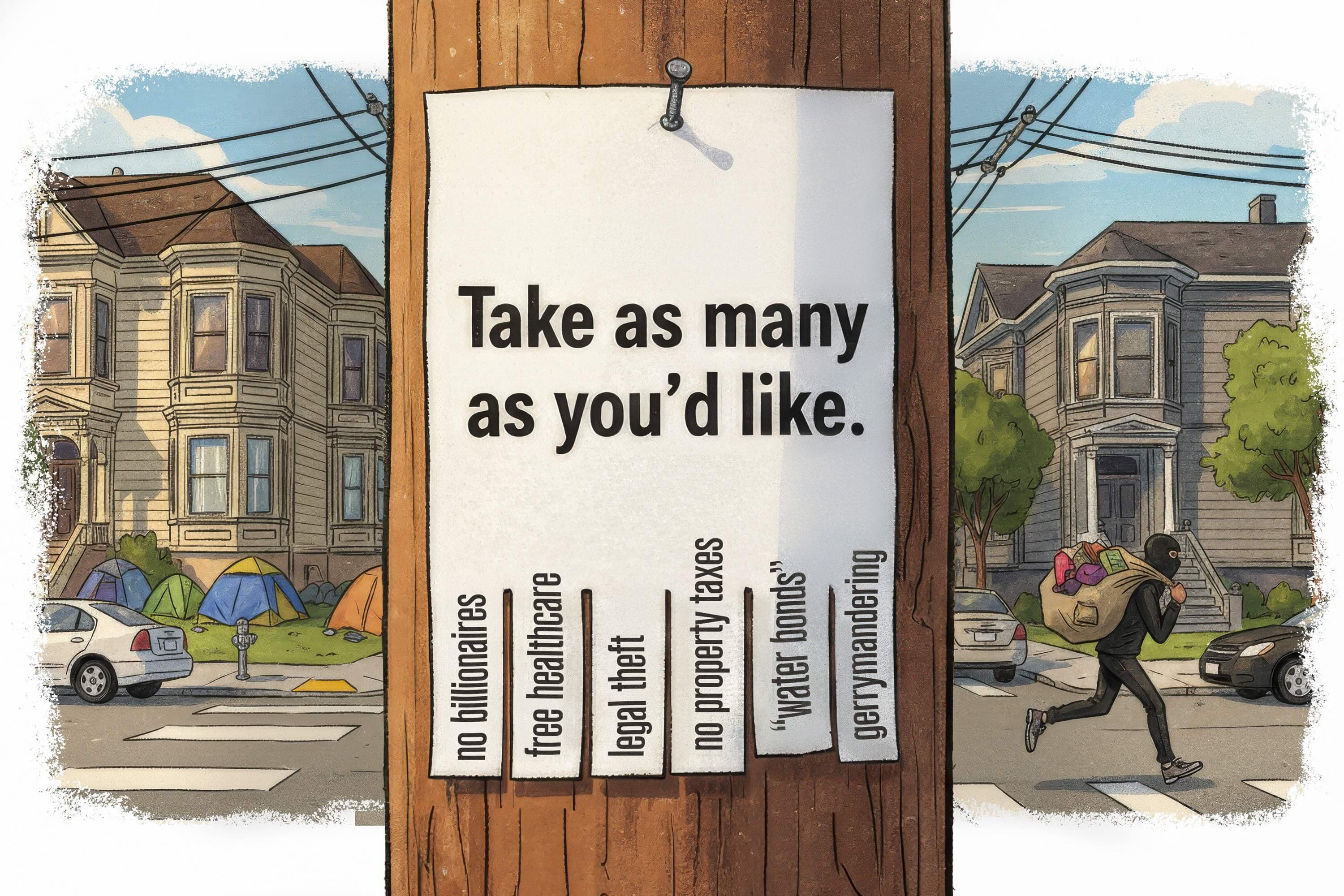
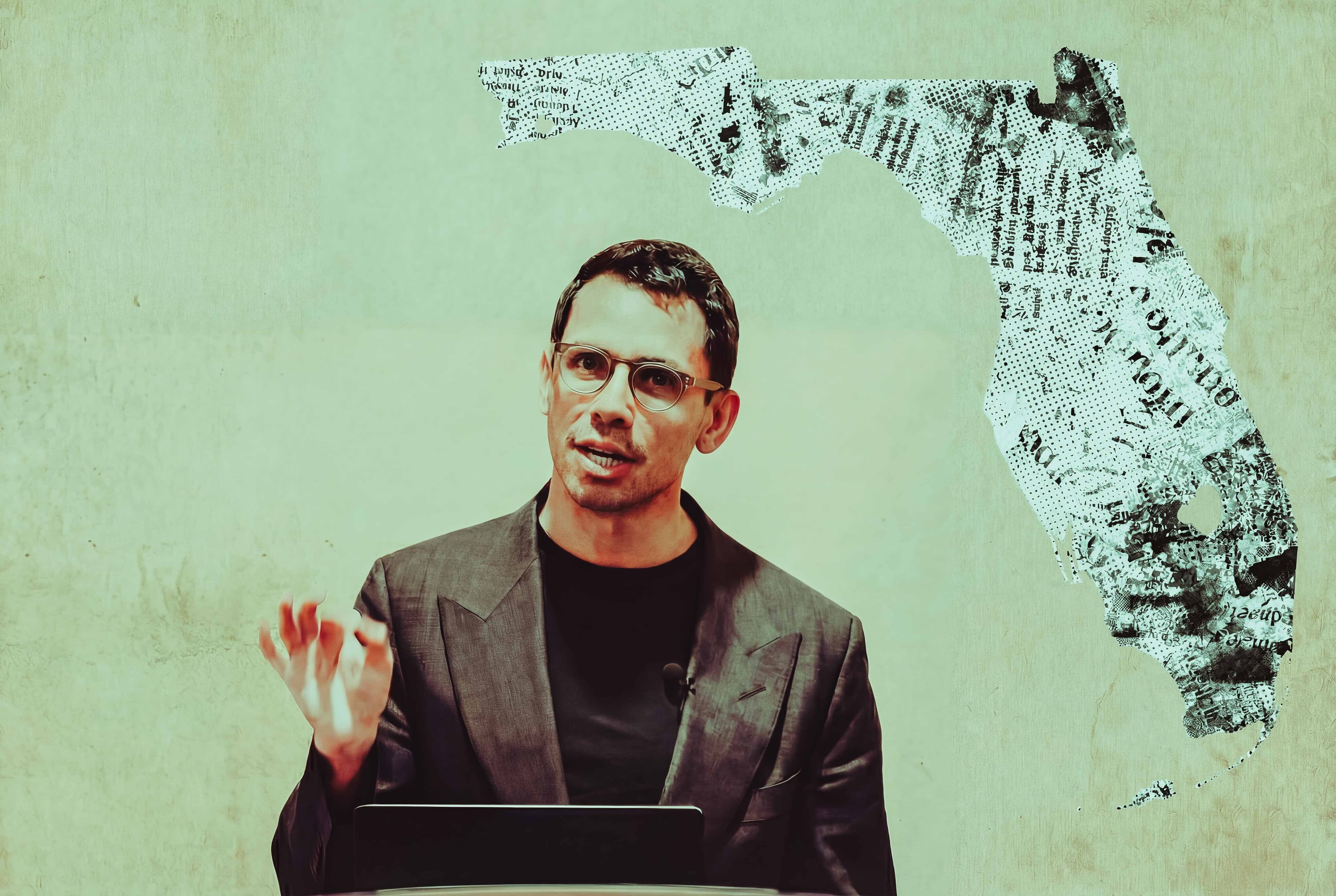
In California, a proposed “wealth tax” targeting the concept of founder-controlled companies threatens to fracture the tech ecosystem.
The measure, if passed, would charge the state’s billionaires 5% of their net worth, which includes assets they’ve already paid taxes on, supposedly just once. Unsurprisingly, billionaires aren’t super enthusiastic, but it’s not just because of higher taxes. Under the proposal, a person’s ownership stake in a private company is “presumed” to be no less than their share of voting or control rights.¹ Since founders of startups commonly control more than they directly own (via agreements like super-voting shares), this tiny “one-time” tax starts to take on a whole new meaning.
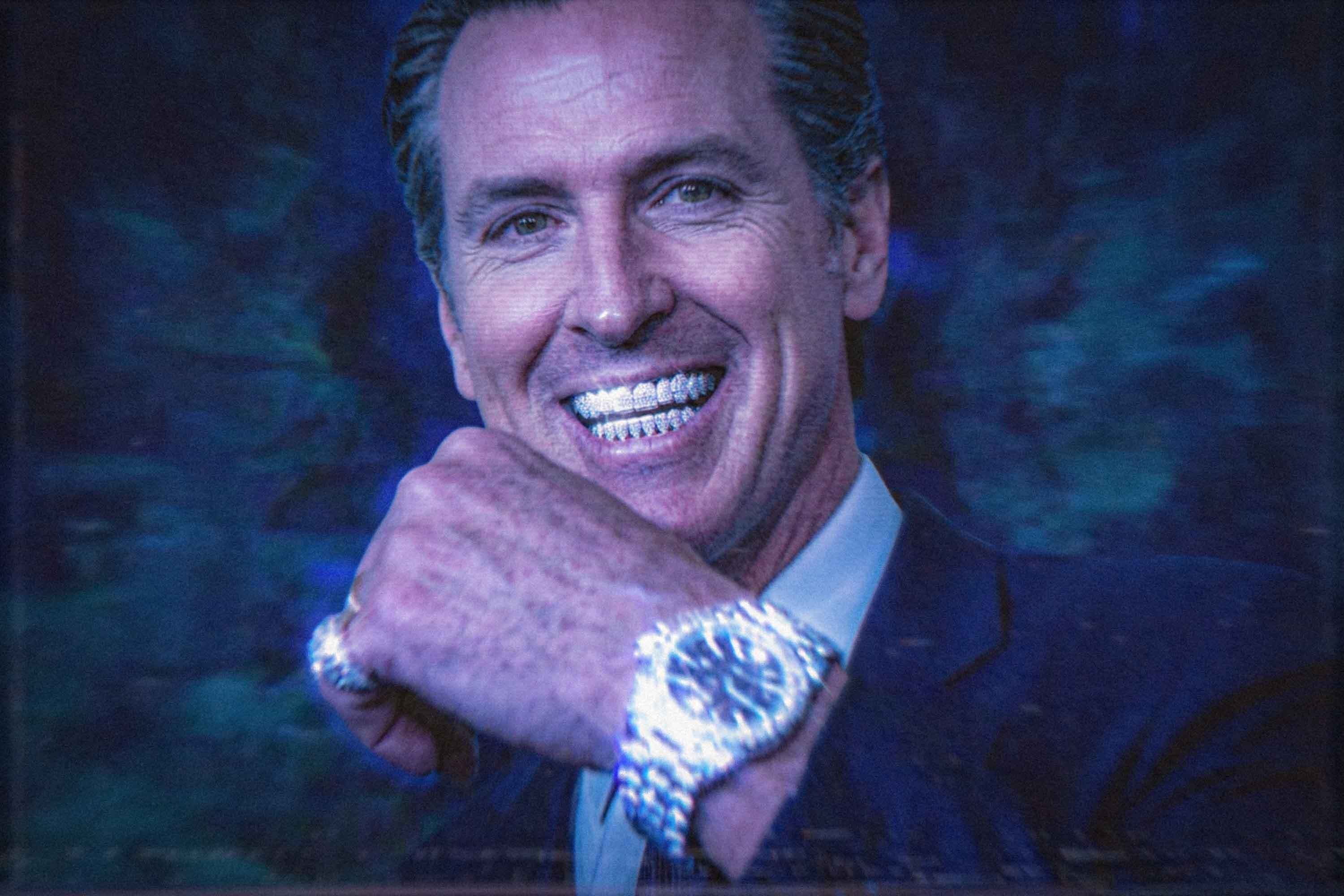
The proposal needs 874,641 signatures to wind up on the November 2026 ballot. But whether it actually goes through matters less than what it’s already signaled to the tech industry: California’s political scene is chaotic at best, and downright hostile at worst. Last week, Pirate Wires broke the news that 20 billionaires are already planning to leave the state. For all of Gavin Newsom’s protest, California seems to have nailed the self-deportation effort better than anyone else.
It may seem kind of insane that a small group of people (in this case, a powerful union and a few academics) can effectively add what some are calling an unprecedented asset seizure to the ticket come November. But, in California, where “direct democracy” reigns supreme, this is just the latest flavor of dysfunction.
For more than 100 years, the state’s ballot prop system has been billed as a cure for ineffective government and regulatory capture. If voters can directly vote on a new law, you don’t have to wait for the legislature to act. A straight shot to fair and effective policy… right?
In practice, the system has produced a chaotic marketplace in which only the well-funded can participate, voters are manipulated into decisions they don’t fully understand, and bad policy gets locked in for generations.
A brief history.
How We Got Here
In 1911, Governor Hiram Johnson wanted to break Big Railroad’s chokehold on Sacramento.