
Why I Threw a Pro-Data Center PartySep 30
amid rampant data center derangement syndrome, I wanted to throw a house party to celebrate american innovation. then it went viral.
77 Likes
16 Comments
Oct 21, 2026
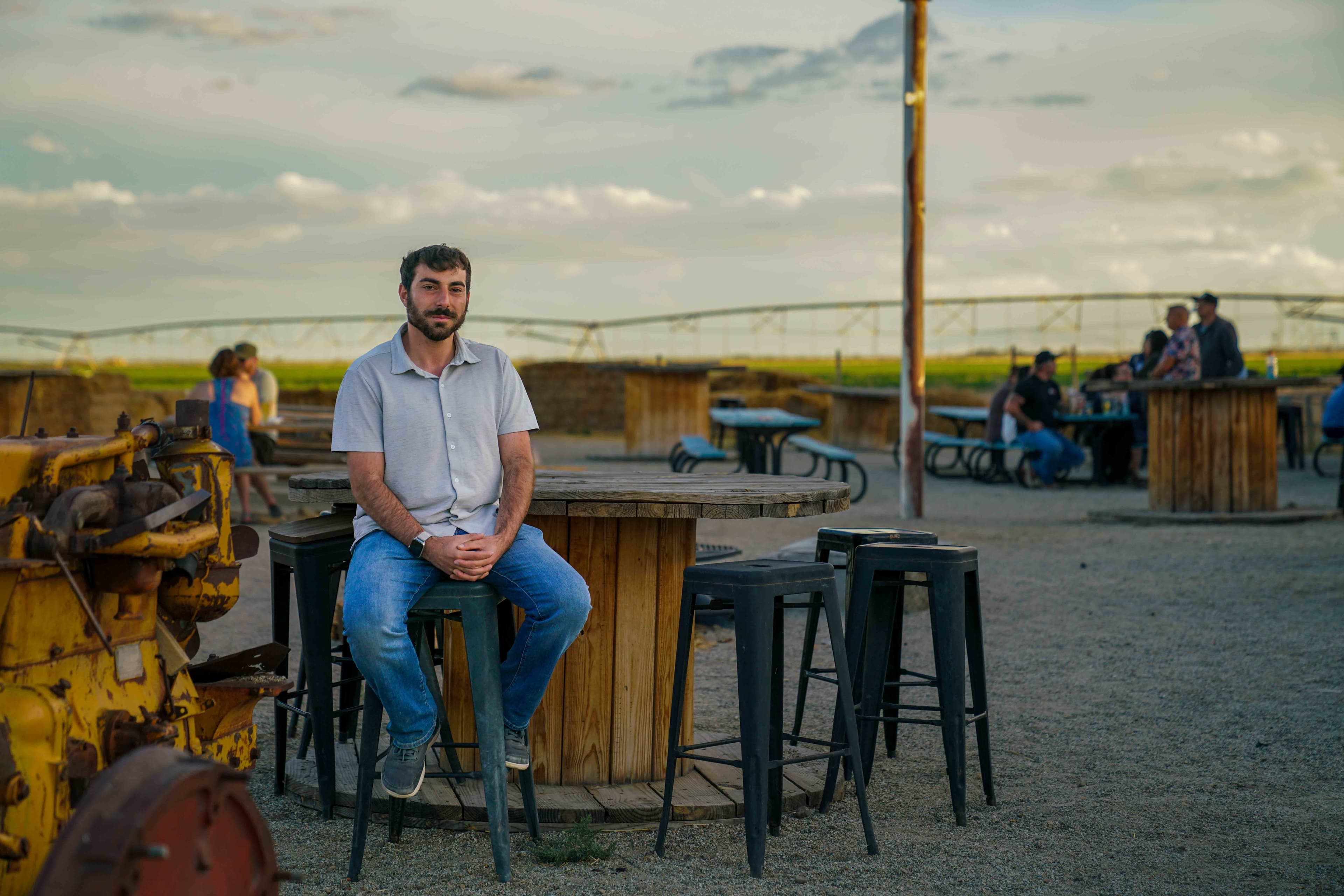
The meeting room of the Road and Bridge office in Saguache, Colorado, 130 miles southwest of Denver, was standing room only on the evening of September 3.
Recent meetings organized by the Saguache County commissioners had covered wildfire management, gunfire noise complaints, and a drag racing event at the municipal airport. Tonight’s was about data centers. It was packed to the brim; about 60 mostly older residents sat on folding chairs or huddled around the perimeter of the room, and dozens more joined virtually.
At hand: residents have had a “really strong reaction,” said Commissioner Liza Marron, to the nationwide AI and data center boom, and the county’s six-month moratorium on data centers, set in May, was about to expire. Marron called the meeting to order — asking everyone to introduce themselves and say where they’re from. I suddenly became self-conscious. An informal meeting in Saguache County — population: 7,000 — is not an obvious place for a Pirate Wires journalist to hang out. Much of the national fight over data centers is occurring in the halls of Congress, statehouses and governors’ offices, or on X. But, as I witnessed that night, the sheer demand for computing power is bringing the fight to tiny places nobody has heard of.
Anyone who wants to build anything, especially data centers, has to win over this exact tiny place, and thousands like it.
I was there shadowing one builder in particular: David Meyer, the founder of Strata, a startup attempting to build “modular” (smaller) data centers in the neighboring Alamosa County. David, age 29, is soft-spoken, the kind of person with seemingly infinite patience, happy to delve into the technical weeds of his work.
He was on a kind of PR tour for his would-be data centers. And this was the first stop.
“Across the country we have a situation where we have hyper-scalers building in the hundreds of megawatts range, that are doing things to communities, in my opinion, that aren’t beneficial,” David told the room in his opening statement. “Some may consider it parasitic rather than symbiotic.”
“It feels like no one’s doing this in a more responsible fashion,” he added. “My vision is I want to change that narrative. I want to change the national conversation about how we can build data centers more responsibly.”
The sign-up list to speak was a full page, and it took over two hours to get through everyone. They did not seem all that convinced by David’s opening remarks.
amid rampant data center derangement syndrome, I wanted to throw a house party to celebrate american innovation. then it went viral.

one guy is single-handedly correcting the ai water doomerism with a calculator and a chatbot

we found ten members of congress who support major restrictions on data centers while holding financial stakes in them. what do they really believe?

pirate wires #164 // if we keep building artificial intelligence, are you, and everyone you know and love, going to die?
agents are breaking containment and hacking government websites because they’re following our prompts too literally

openai’s agents hacked a company and lied about it, sure, but their ‘cage’ was made out of thin paper and chewing gum, so are we still all gonna die or what?