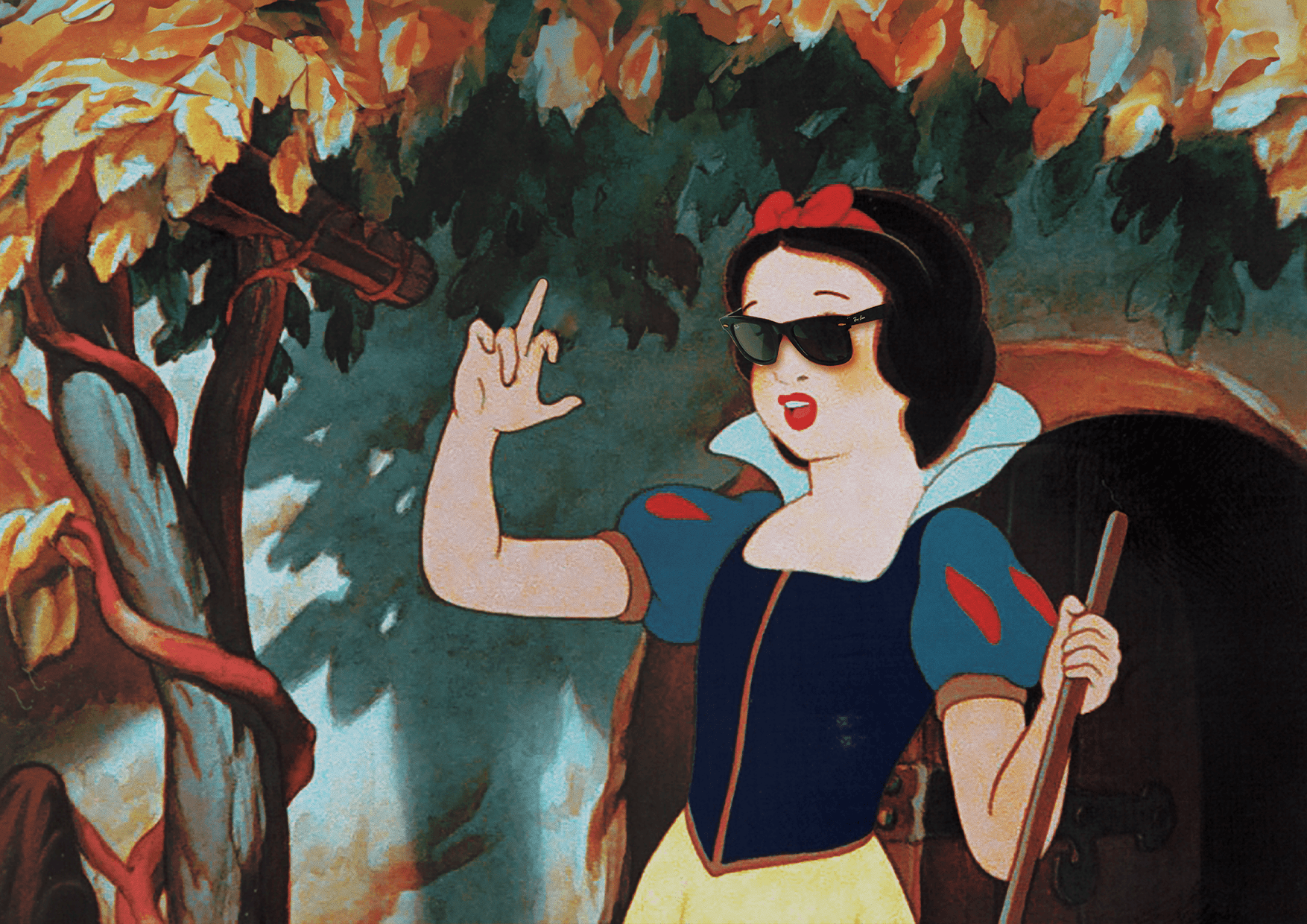
The Princess and the GirlbossFeb 23
why is every new disney female protagonist being pigeonholed into the girlboss archetype?
24 Likes
7 Comments
Apr 2, 2026
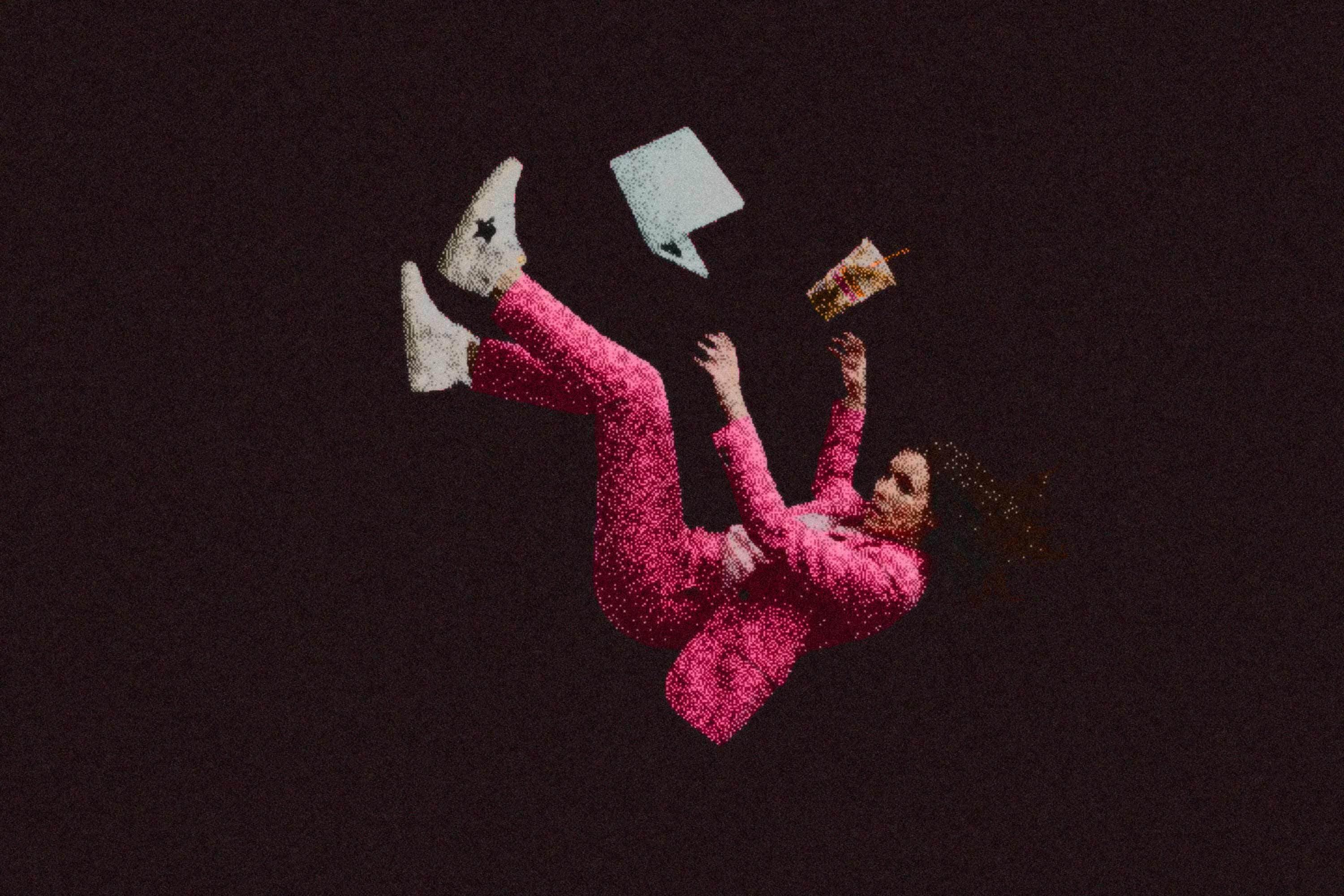
On March 12th, President Trump signed a proclamation celebrating Women’s History Month — as every president has since 1987, when the National Women’s History Alliance (NWHA) succeeded in lobbying Congress to make it an annual celebration. That Women’s History Month was the brainchild of radical Berkeley feminist Laura X (the X because she rejected men’s supposed ownership of women) is now mostly forgotten. Democrat or Republican, we celebrate it, even as the alliance that created it has never denied its far-left ideological proclivities.
This year’s theme, as designated by the NWHA: “Leading the Change: Women Shaping a Sustainable Future.” “In this pivotal moment of history,” the NWHA’s press release reads, “we are called to confront a range of overlapping global challenges: climate change, economic insecurity, healthcare disparities, and threats to democratic participation. These issues are deeply intertwined — and women, particularly from marginalized communities, often experience their impacts most acutely.”
That type of intersectional word salad is starting to feel almost nostalgic. 2010s feminism — spanning #MeToo and “trans women are women” and climate fat positivity and smashing, nay, shattering corporate glass ceilings — is falling out of fashion so rapidly these days that Sheryl Sandberg, out of touch as ever, is refocusing her Lean In book-turned-movement-turned-nonprofit on pushing back against the Manosphere and the “glamorization of the tradwife.”
It’s not going to work. The girlboss trend of the 2010s was, at the end of the day, crass careerism and total abdication of adult responsibility pushed by third-wave feminists who fashioned themselves socialists yet considered themselves independent. In, say, 2018, you could be a strong, sexually empowered woman, while also somehow being incapable of saying no (or even yes!) to the poor guy (misogynist!) who asked you out at work; you could post Instagram infographics about anti-capitalist women-of-color icons — often literal terrorists like Angela Davis — while ragging on stay-at-home mothers for supposedly keeping other women down by not working outside the home.
This is the type of woman whom an organization like the NWHA represents with Women’s History Month: one who happily complies with the ideology of the day, one who calls both the stated and revealed preferences of women “oppression” while claiming to be pro-choice, blathering on about how women are wonderful and special while denying the existence of sexual differences between men and women.
Something about the pandemic snapped the country out of valorizing this feminist archetype. Not only did people become increasingly frustrated with the mandates and increasingly fanatical ideology pushed by the same people who’d pushed third-wave, girlboss feminism; the lockdowns, although they caused tremendous damage, ultimately had the upside of forcing individuals to reevaluate their lives, especially in relation to the families they were suddenly spending all of their waking hours with. Women, when confronted with the personal and professional tradeoffs they were (often unconsciously) making, began to accept the responsibilities that mainstream feminists would have them reject in favor of climate anxiety.
“[F]or the first time,” reads a recent report from McKinsey on women in the workplace, “there is a notable ambition gap: Women are less interested in being promoted than men.” McKinsey, of course, frames this as a “problem” to be solved, never considering that it may be a legitimate choice women are making of their own volition.
why is every new disney female protagonist being pigeonholed into the girlboss archetype?
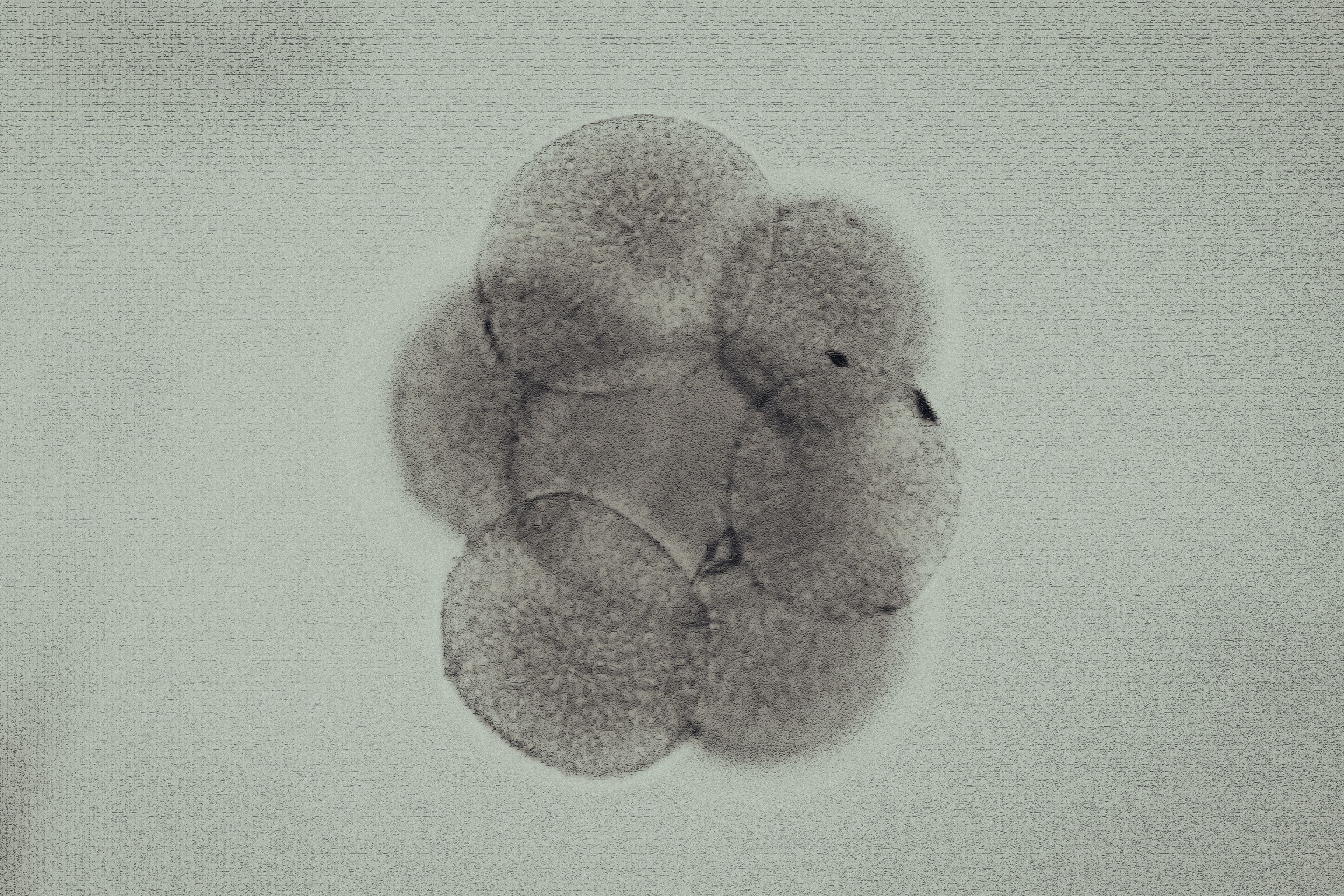
do technologies like IVF set the evolutionary stage for a human species increasingly reliant on, and adapted to, technological means of reproduction?
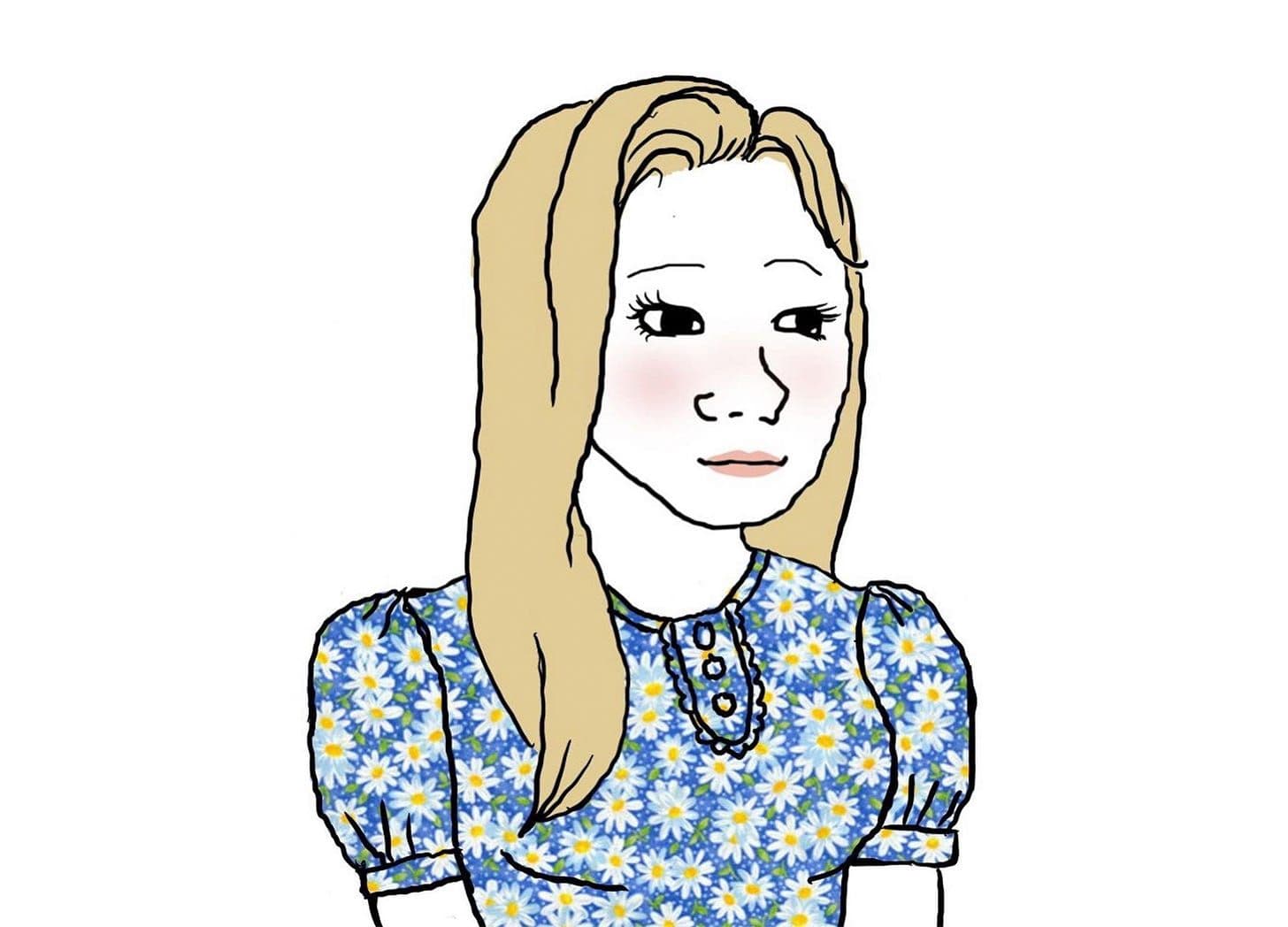
tradwifes aren't about patriarchy, white supremacy, sexual fetishism, or indoctrination — it's about women staying home, a luxury most can't afford