American PowerAug 6
feature // scott nolan, general matter, and the resurrection of america’s nuclear enrichment capacity; from el segundo to paducah, a history of decline and rebirth
85 Likes
27 Comments
Sep 13, 2026
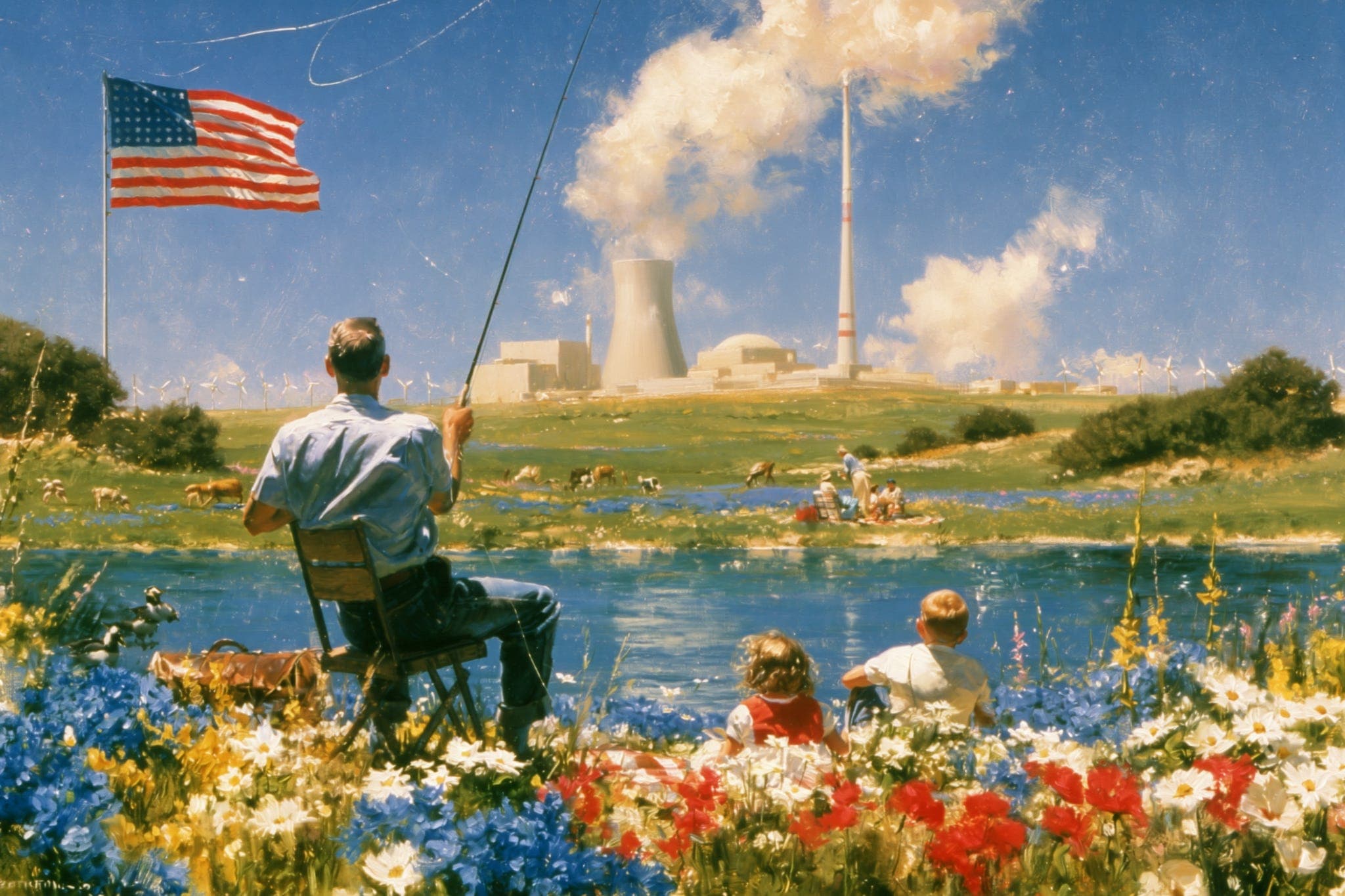
Nearly 75 years ago, among the windswept sand of the Idaho desert, America turned on four light bulbs with a nuclear reaction, beginning the (first) age of nuclear energy in America.
In the decades that followed, nuclear was hailed as our clean, cheap energy savior. Innovation accelerated — and while reactors were expensive and unreliable initially, new designs made them cheaper and safer.
Then, we just stopped. We lost our innovator spirit in the dunes.
On June 4th, 2026, we hit an encore. In those same Idaho winds, nuclear startup Antares took its Mark-0 reactor “critical” — meaning, in the parlance of the nuclear world, alive. We use a neutron to split a uranium atom, which throws off more neutrons that split more uranium atoms. Once that nuclear fission reaction can sustain itself without external help, the reactor “goes critical.”
It’s a proof of life: a test, showing that a reactor works. Three more companies took reactor designs critical by July 4th.
Thirteen months ago, this seemed like an impossibility — but thanks to the efforts of less than 40 government employees, we turned the tide.
Exclusively, here, the story of how America learned to love nuclear again.
America is on the precipice of an energy crisis.
Over the last 20 years, American energy growth has flatlined while we retired hundreds of power plants, of all types.
You see it in your power bills, which are up 29% nationally since 2019.
You see it on your thermostat, which the Mayor of New York now asks you to keep at 78 degrees in the middle of summer.
You see it in the electrical grid itself, which hit a 20-year demand high this July 4th, forcing the Department of Energy to declare a power emergency for 67 million people.
feature // scott nolan, general matter, and the resurrection of america’s nuclear enrichment capacity; from el segundo to paducah, a history of decline and rebirth
brad gerstner tells us how he architected 'trump accounts,' cracked washington's bureaucracy, and got americans invested in this country again

an exclusive look inside rangeview, the startup making critical parts for data centers and drone interceptors, and its founder’s lonely fight to rebuild american manufacturing
the story of lake sam rayburn is a reminder that america used to build real, meaningful, big infrastructure projects that brought human flourishing to entire regions. what happened?
the u.s. department of energy will invest $2.7b in america’s ability to finally create its own nuclear fuel, a feat we haven’t been able to pull off since the 80s

senator tim sheehy on the ‘unholy alliance’ of environmental rules and activism that’s preventing firefighters from doing their jobs, and what he’s doing about it