
Wikipedia's War Over Nick ShirleyJul 20
a six-month ideological battle over a single word on nick shirley's page reveals exactly how 'consensus' is manufactured on wikipedia
156 Likes
30 Comments
Oct 19, 2026
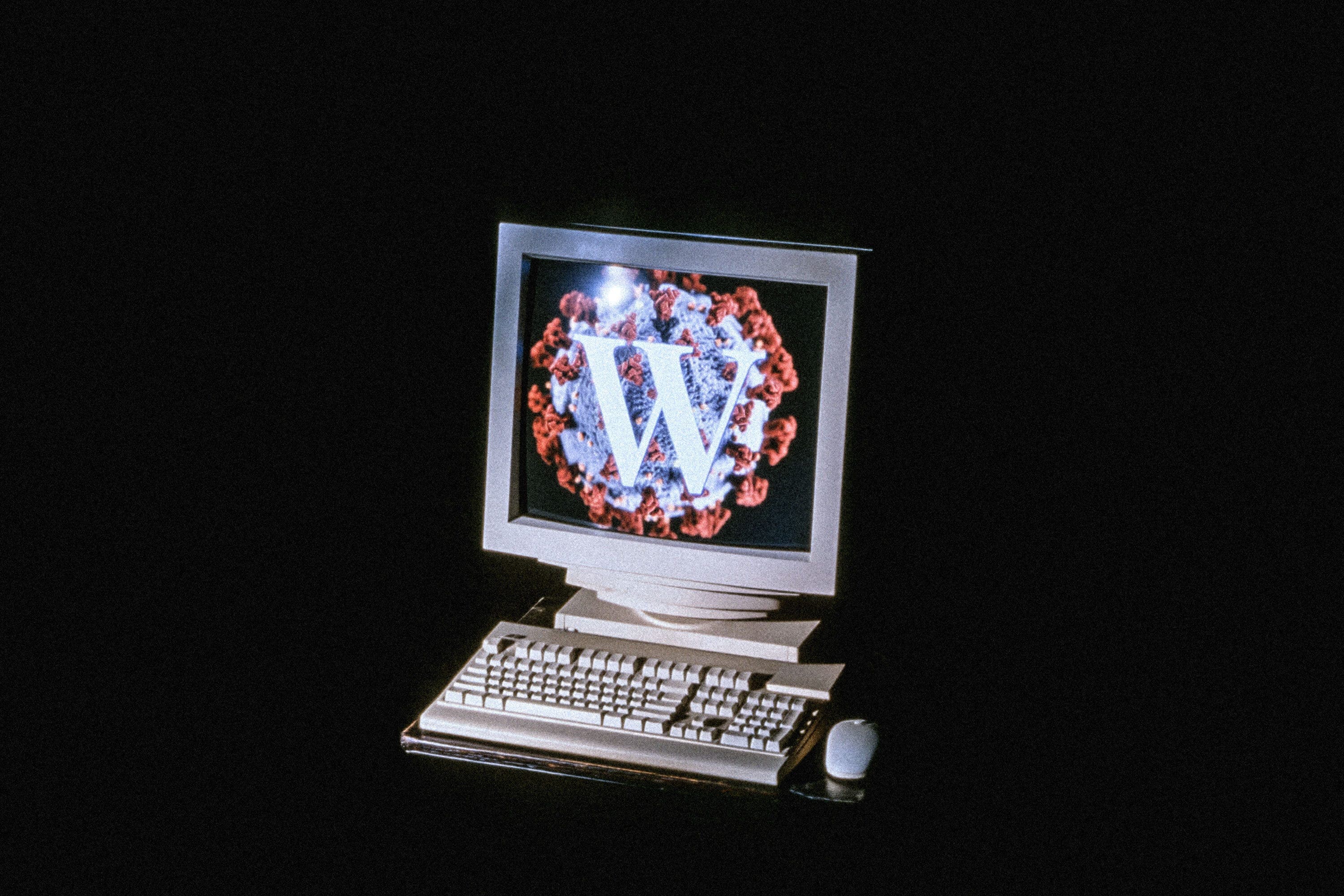
Over the past six years, the most socially and economically significant scientific question of our lifetimes — where COVID-19 came from — has been quietly decided by a small group of editors on Wikipedia. The answer this cluster of accounts has produced is being fed into search engines, AI systems, and what passes for a public record online.
Lab origin, one of the two major competing theories concerning the emergence of SARS-CoV-2, the virus that causes COVID, has been cast not simply as false, but as a conspiracy theory tinged with racist undertones. This question was settled by Wikipedia editors long before science ever produced a conclusion (it still hasn’t) and far from any lab studying the issue.
For me, the topic has special significance. In early 2021, I began reporting on lab origin, starting with how the media distorted the issue from the earliest days of the pandemic. I chronicled the media’s effort to shut down the lab leak debate, uncovered a major anomaly in Chinese PPE exports that destabilizes China’s official pandemic timeline, exposed Harvard’s role in brokering a meeting between Anthony Fauci and the head of China’s then-second biggest real estate firm to “coordinate” on pandemic response, and was the first — and, to my knowledge, only — journalist to report on Fauci’s role as head of America’s biodefense command.
When you set aside the tangled mass of general confusion and highly specialized knowledge — genetic sequences, virus chimeras, dual-use treaties, track II diplomacy, biosafety ratings, and elaborate funding structures — what you get is a story about how information is controlled.
This is nowhere more true than on Wikipedia. There, what would become a years-long effort to shape public perception about lab origin began on February 9, 2021 when, in a single nearly 44,000-byte edit, Wikipedia editor Arcturus created the COVID-19 lab leak hypothesis entry. The entry appeared on the same day the WHO’s joint mission to Wuhan held its closing press conference in the city, declaring a lab leak “extremely unlikely” and recommending it not be pursued further.
Arcturus’s lead was robust and balanced. Its first sentences read:
The COVID-19 lab leak hypothesis is a controversial proposal made by a small number of scientists as a possible origin of the COVID-19 epidemic. The hypothesis proposes that SARS-CoV-2, the virus that causes the coronavirus disease 2019, may have originated from an unknown zoonotic disease that was collected by a laboratory in Wuhan, China, where it was held for a number of years and accidentally released, either through an infected laboratory worker or some other form of biosecurity breach, such as improper disposal of biomedical waste, the escape of a laboratory animal or in field work.
That article would not last long.
a six-month ideological battle over a single word on nick shirley's page reveals exactly how 'consensus' is manufactured on wikipedia

inside the cultural revolution at wikipedia, which pivoted it from a decentralized database of all the world's knowledge to a top-down social activism and advocacy machine

a powerful group of editors is hijacking wikipedia, pushing pro-palestinian propaganda, erasing key facts about hamas, and reshaping the narrative around israel with alarming influence

soros-linked operatives have spent the past eight years embedding themselves in top roles at wikimedia foundation and transforming the site into a tool for radical social engineering

the “donald trump and fascism” wikipedia page appeared the same day the guardian published a 4,000-word article called “is donald trump a fascist?” — and it’s still up
techcrunch’s wild spiral into madness reminds us of the stakes, a brief history of “new” media, and notes from pirate wires — what we knew, what we learned along the way, and where we’re going