
Lab-Grown Meat Is MAHANov 20
america loves tech again, but the minute you mention food, everyone suddenly wants to hand-churn butter in a log cabin. food innovation can be good if we let it.
16 Likes
9 Comments
May 4, 2026

Last Thursday, I laced up my Timberlands and drove an hour west of San Antonio to join leaders of the MAHA movement, including skinny-jean aficionado RFK Jr. himself, at Sovereignty Ranch, a 200-acre family farm on the outskirts of Bandera, Texas — aka the “Cowboy Capital of the World.”
After traversing dirt roads through Texas hill country, I parked amid a flock of Ford F150s. Roughly 200 farmers, activists, and national and state-level policymakers had shown up for sourdough pizzas and beef tallow fries to kick off the weekend’s American Regeneration Conference. MAHA-adjacent agricultural nonprofits hosted the summit to discuss “land, liberty, food, and the future of America” and promote the adoption of regenerative agriculture.
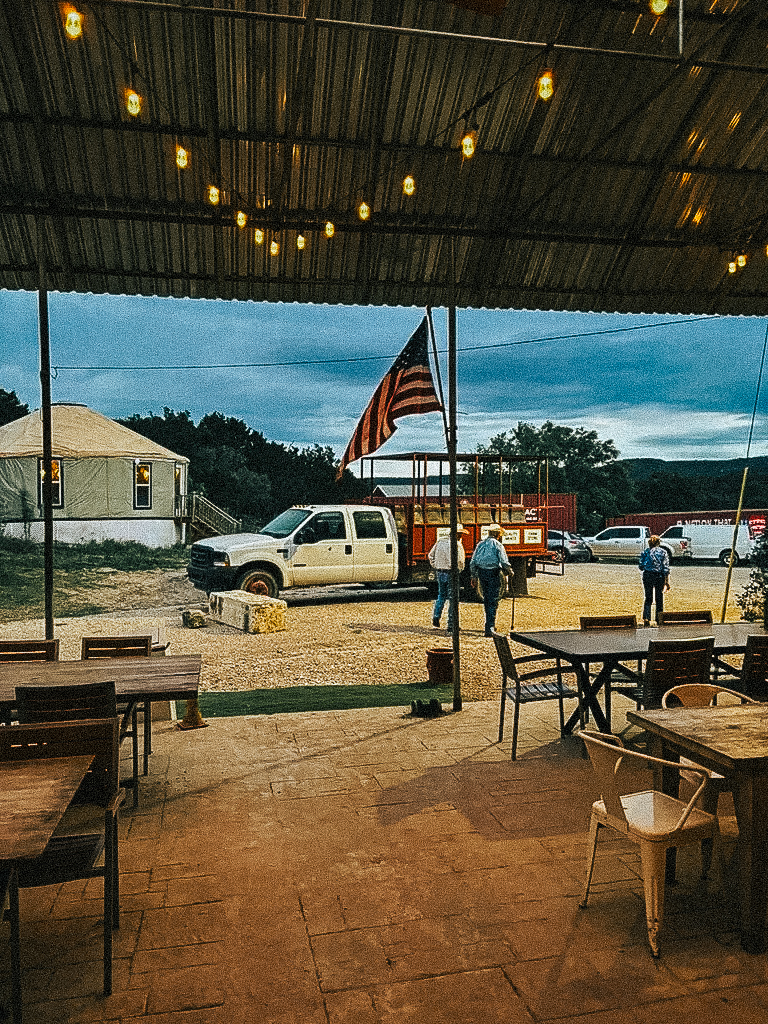
What is regenerative agriculture? The name feels concerningly evocative of the corpo-slop buzzwords (sustainability, green bonds, climate change, ESG, etc.) that we left behind in November 2024, but it actually does mean something. It’s basically a way to keep soil healthy. These farmers aim to reduce chemical usage as much as possible and plant “cover crops” that act as “living mulch” — essentially keeping land more fertile over time, and producing much tastier food.
Sovereignty Ranch is a sandbox for these regenerative strategies. The enclave was founded in 2021 by siblings Ryland and Mollie Englehart, who had spent their past lives operating a series of vegan restaurants in Los Angeles and working at environmental NGOs and non-profits. In the midst of COVID, they renounced their Californian ways and moved east to Texas, where they now run a thriving cattle ranch, eat meat, and work to reduce chemical-intensive farming.
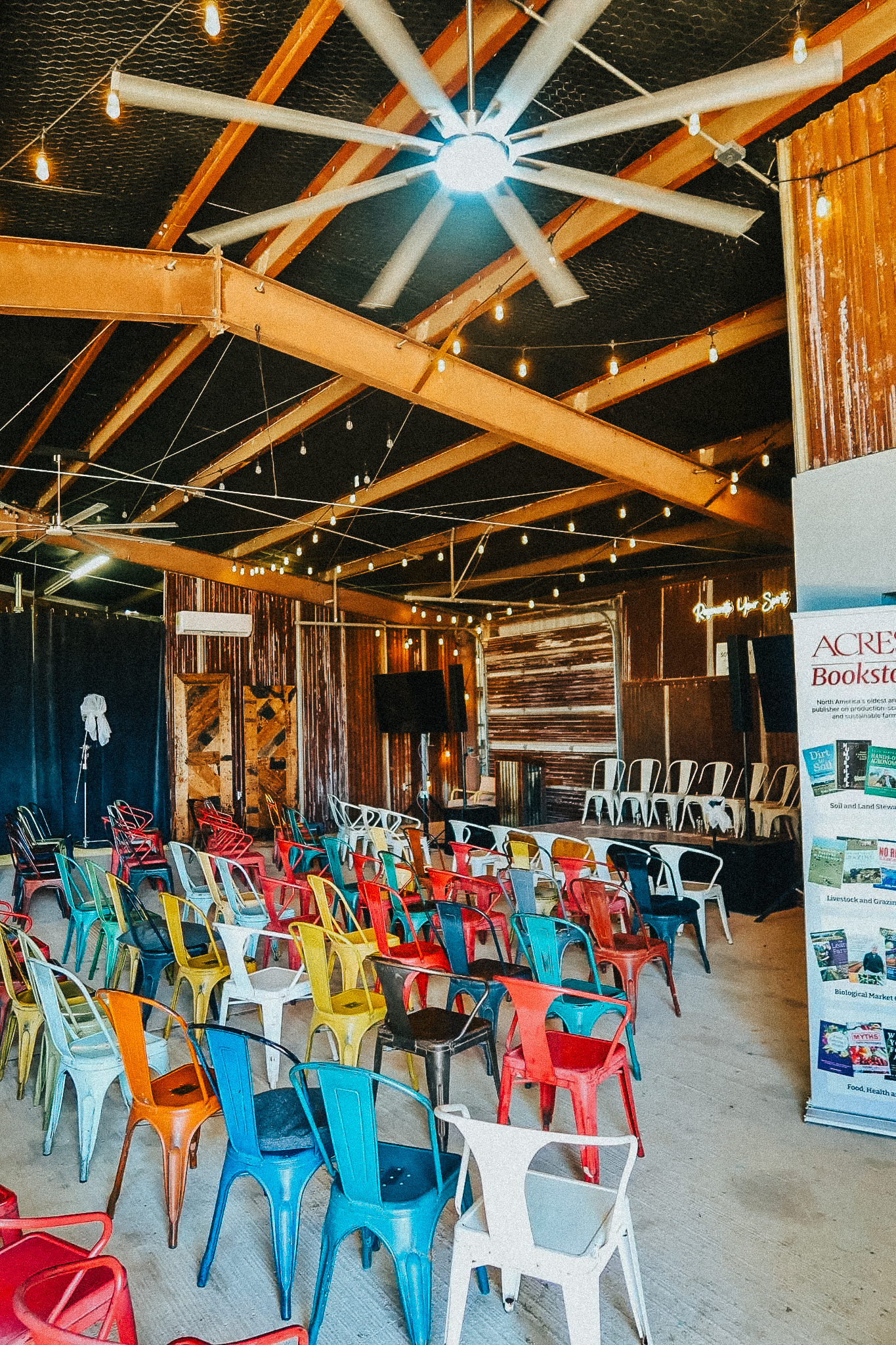
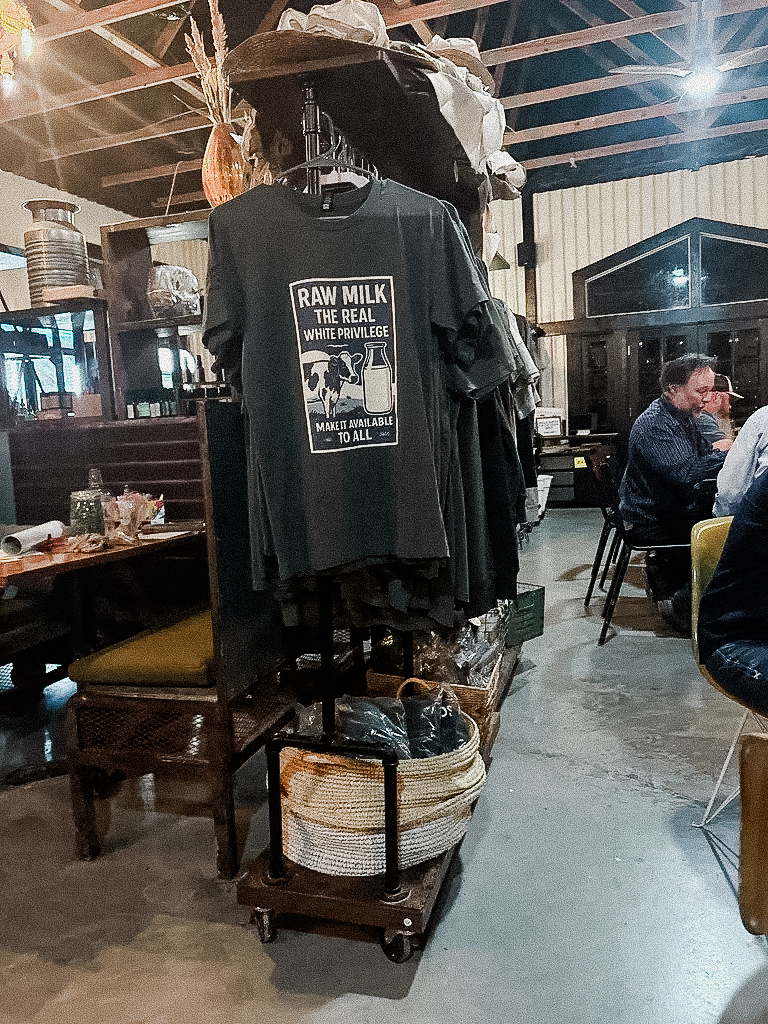
Like many MAHA touchstones (raw milk, vaccine skepticism), regenerative farming is kind of crunchy and countercultural — a feature reflected in their merchandise: a “2nd Amendment Hippie” shirt featured a wild-haired hippie girl holding up an AR-15. Another shirt: “Raw Milk: The Real White Privilege.”
Between regenerative organic cheeseburgers and speeches from MAHA evangelists, a group of male activists from Southern California asked me whether I’d ever done psychedelics. When I shamefully confessed that I had not, they provided a lengthy instructional tutorial on microdosing.
As I made my way to a presentation on clean butchery, I discussed King Charles’ support of regenerative agriculture with a well-dressed Englishman, who explained to me that he’d quit his corporate job to meditate in India for a decade before joining a bioherbicide company that sought to unseat the dominant herbicides of Glyphosate and Diquat and replace them with a MAHA-approved alternative.
Other conversations ranged from optimistic preaching about the newest superfood mushroom or supplement powder to angry rants about data center construction, Palantir’s recently inked deal with the USDA to centralize farmer data, and cloud seeding in the Great Salt Lake (featuring hats that read “Make Clouds Real Again”).

(An editorial note that cloud-seeding operations do not technically make fake clouds; they make real clouds more likely to produce precipitation.)
Many people told me they’d gone MAHA after suffering or seeing family members suffer from cancer or chronic disease — which, they each explained, was directly correlated with their copious pesticide or herbicide use. Others were farmers crushed by low returns and high expenses, fearful about declining soil fertility, and desperate to save their farms.
Jennifer Galardi, a senior policy analyst at the Heritage Foundation, clocked the presence of DC insiders at the event and told me, “True conservatives understand that farmers and the land are the backbone of the American dream… If you are going to be America First, you have to listen to the farmers.”
That night, the kombucha flowed freely while the activists and farmers passed around Lucy nicotine pouches like candy. A biohacker’s paradise.
america loves tech again, but the minute you mention food, everyone suddenly wants to hand-churn butter in a log cabin. food innovation can be good if we let it.

the untold story of pious vegan ideologues, militant activists, and raw milk maxxers in a battle for the soul of america
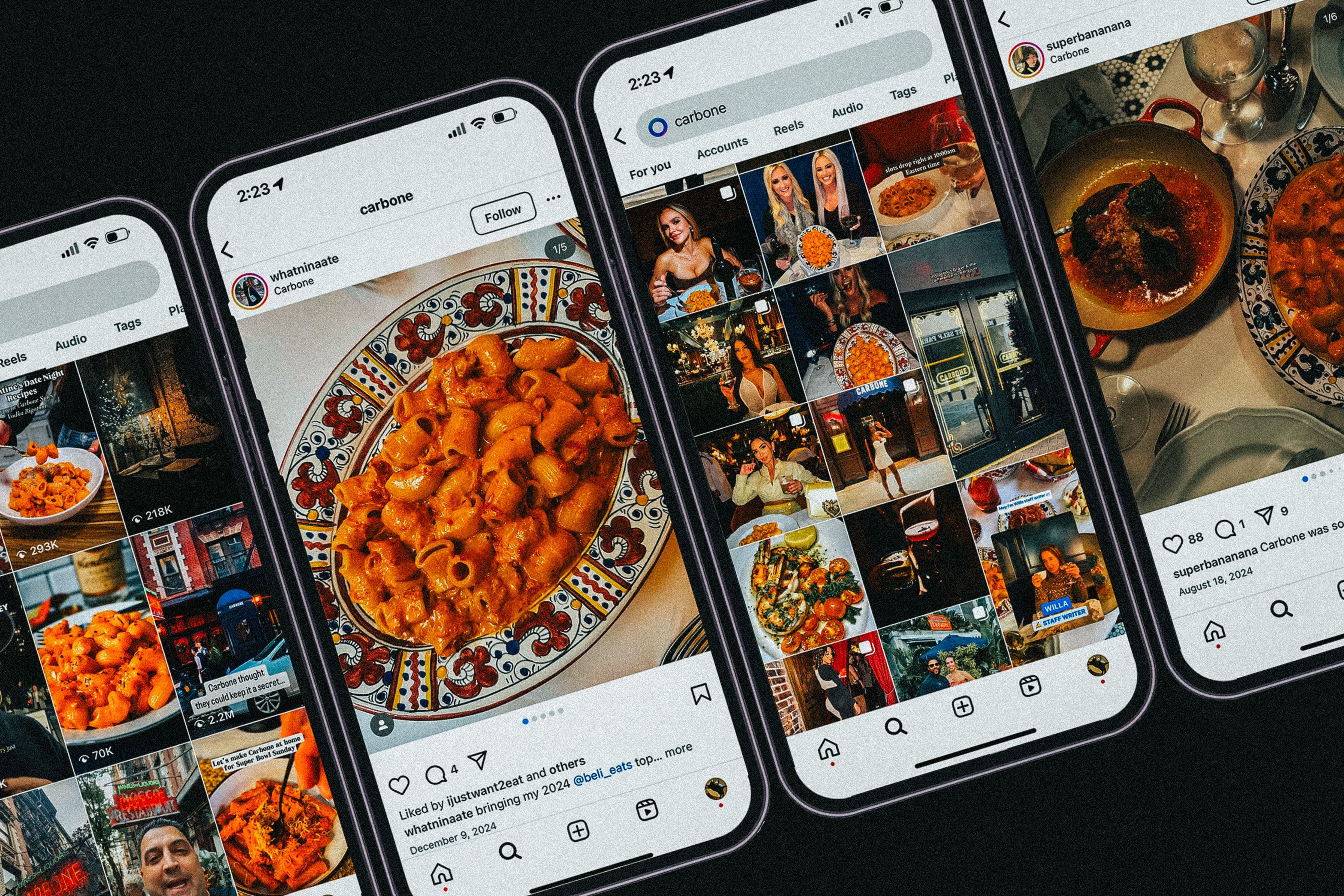
a growing army of over 600,000 seed oil truthers are railing against fine dining establishments to clean up their cooking oils