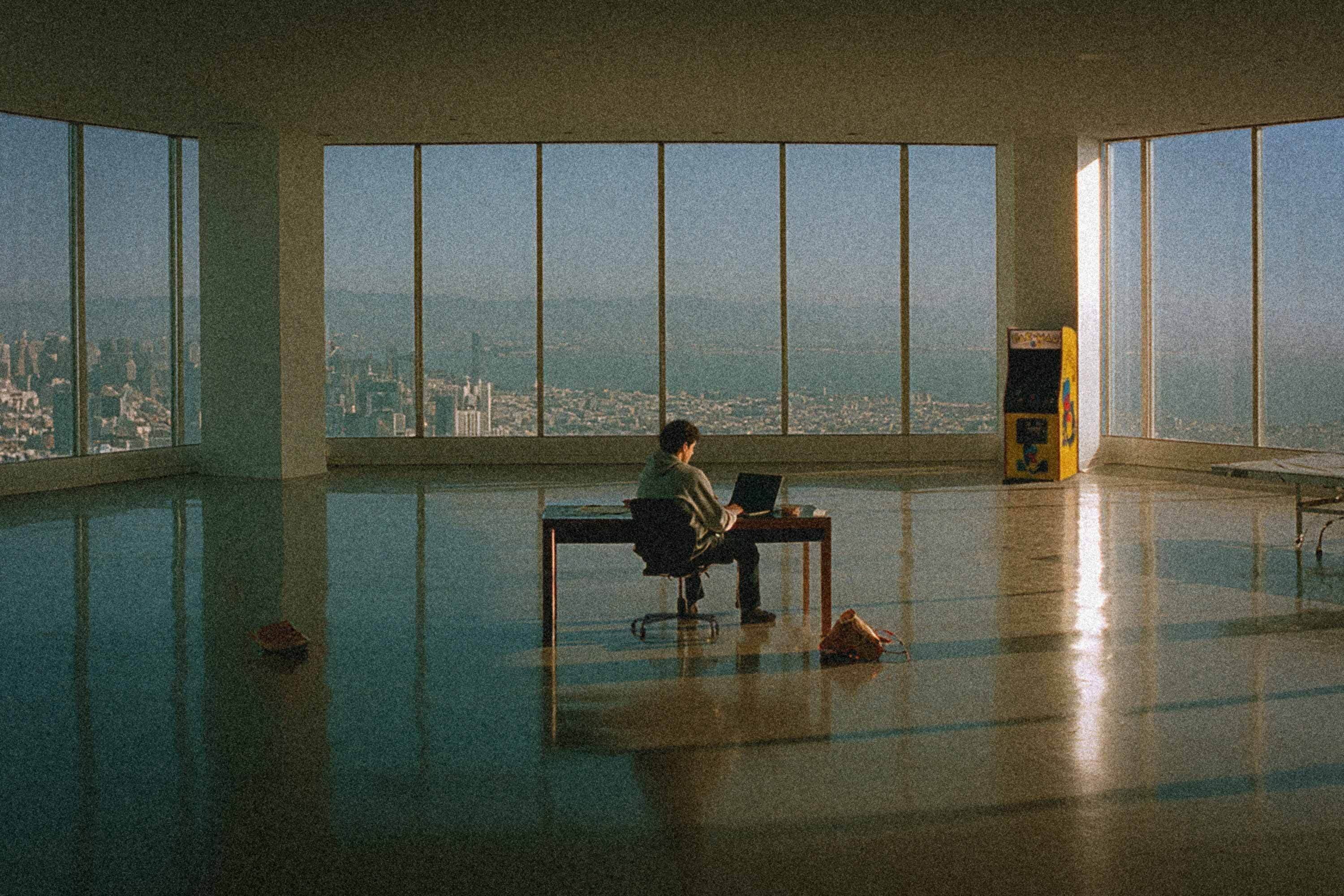
A few weeks after I started working at Medium, in early 2017, I flew to HQ in San Francisco to help launch our latest attempt at making money.
It was my first time there since my interview, when seven of my future coworkers walked into a conference room one by one to grill me or just shoot the shit with me, depending on how seriously they took their jobs (also, some of them were wearing literal pajamas). I’d been a user for almost four years at that point, and I was a fan. The site was beautiful and minimalist; it was still new, and banger posts were abundant. The job was to manage our “curation team,” responsible for sifting through ~25k posts published to the site daily and picking the handful we’d feature on our homepage and in emails.
Some of the biggest names in tech, media, and politics — including the President of the United States — used the platform, along with ~200 million or so others. Working as a curator then, in the mid-2010s, felt sort of like being a bartender at one of the biggest parties on the internet.
Also, it was my first job in tech and I was just happy to be there.
Our office was on Market Street, in the 100-year-old Phelan Building where Figma is now. The founder’s wife had filled each of the company’s offices with postmodern art, like a surrealist photo of a shark jumping out of the ocean to bite a rainbow (sounds lame, actually went very hard) which hung above my desk. Every day after catered lunch, a quiet man roamed the floor tinkling a little bell, summoning us into a padded room for group meditation.
We’d just raised our Series B and Series C, $157 million total from a16z, among others, at a $600 million valuation — but we had virtually no revenue.
This was our problem to solve.
WHITE SPACE
“From day one,” a former Medium exec tells me, Ev Williams, our founder, wanted the company to be worth “$20 billion.”
He was a Nebraska farm boy who’d moved to California thousands of dollars in debt before founding Blogger (the precursor to WordPress), keeping it alive by sheer force of will, servers stacked above his kitchen sink, until selling it to Google. He invested that money into the company that would become Twitter, which he cofounded — he was CEO until being fired in a surprise board coup architected by Jack.