How to Win at 'New Media': An Interview With Ben SmithJun 2
the semafor cofounder on "new" "new media" (??), building a $40m events business, and how journalism will withstand the test of ai
32 Likes
2 Comments
Jun 9, 2026
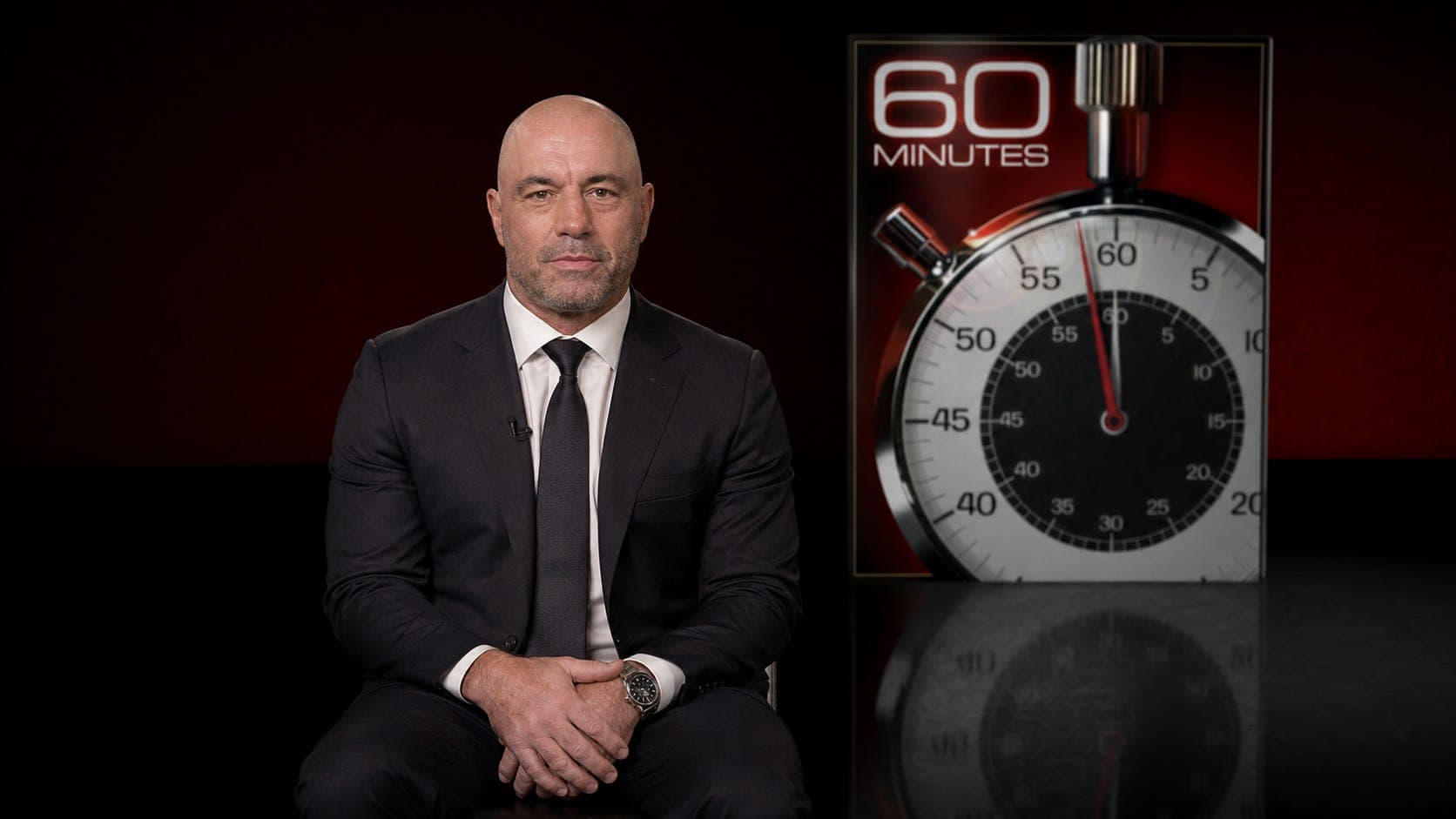
When Bari Weiss took over CBS News as editor-in-chief back in October, the central question was always if she could save “60 Minutes.” Because, unlike the rest of CBS (sorry), the legendary show still mattered.
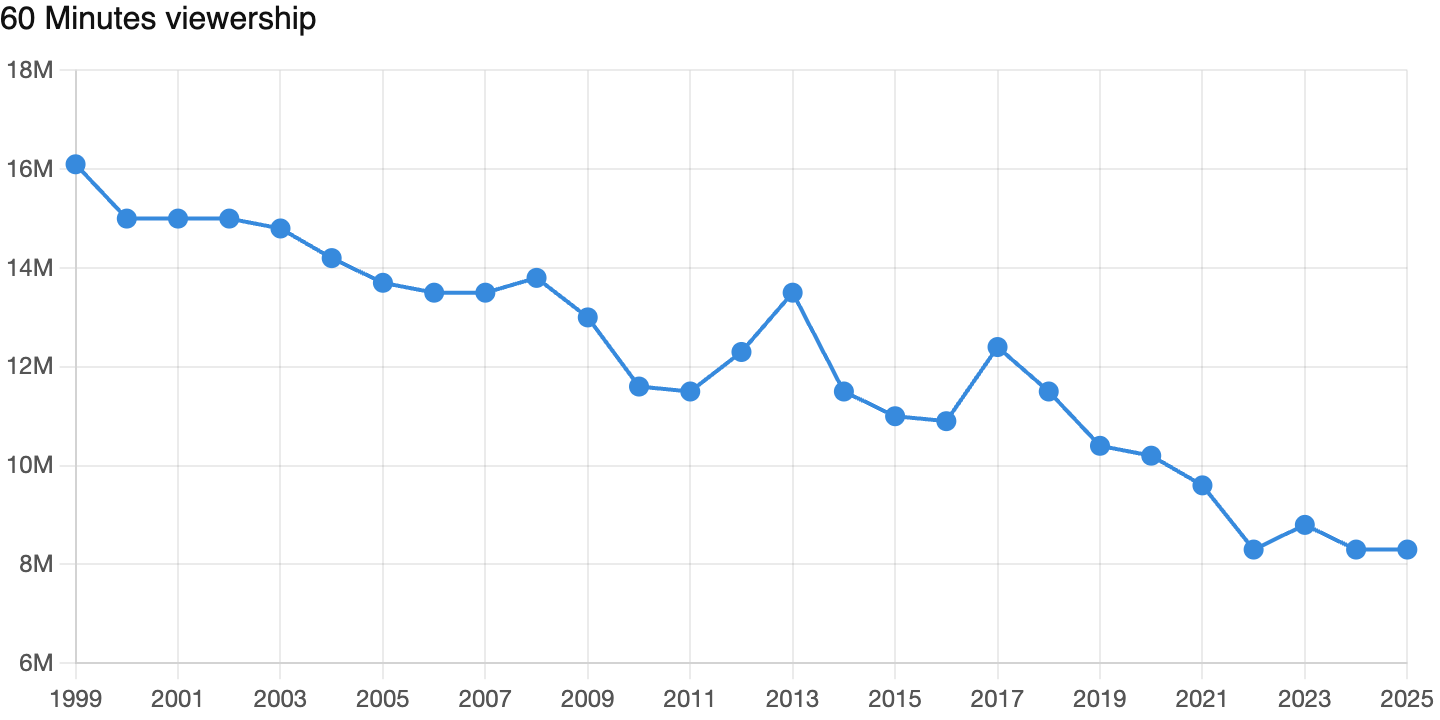
It wrapped the 2025-2026 season as the country’s most popular television news program for the 52nd consecutive year, reaching one in three Americans at least once. But beyond the metrics, the show just… matters. Working for 60 Minutes “one day” has to be a big part of the reason anyone could be masochistic enough to pursue broadcast journalism. And unlike most things, it hasn’t changed much since its inception in 1968. The marquee tick tick tick of the opening and closing clock; the deceptively simple copy and crisp, short interview questions; and, of course, the anchors. 60 Minutes correspondents tend to stay for decades — Morley Safer famously served for 46 years until the week before he died — which meant, however much the world changed, whatever chaos was going on, millions of Americans could count on the sameness of folks like Morley and Lesley Stahl (a current anchor; age 84) explaining it to us.
But it looks like the show is heading for an overhaul.
Last month, Bari hired Nick Bilton, a journalist and documentary filmmaker, to be 60 Minutes’ executive producer. And in his opening memo to staff on May 28, Nick gushed about the show’s legacy while also signaling he would “not preserve it under glass.” In 1968, the audience had three networks to choose from and had to physically visit a bank to get money, he wrote; now they have unlimited channels and are “stalked by algorithms that they wake up to and go to sleep to.” Plus: “They have lost faith in almost every institution that used to hold the country together,” he said.
If the show doesn’t adapt to the way people consume their news in 2026 (and win back their trust, I think he implied), it risks not being here another 60 years:
Between AI rewriting how information is made and everyone with a phone calling themselves a media company, this is the most precarious moment for journalism (and society) I have ever seen. There was a time I would have written the story about what happens to television news next. Instead, I am here to make sure that story doesn’t get written about us. That is why Bari hired me. Evolving or dying isn’t a threat. It’s simple math.
I thought the memo was thoughtful. Staff, apparently, found it grotesque.
For months, Bari — appointed as head of CBS by billionaire David Ellison after he bought her media startup, The Free Press — has been suspected of trying to water down 60 Minutes reporting in favor of Israel, Trump, and billionaires everywhere. Among other accusations by staffers: she’s invited politicians to choose correspondents for interviews on the broadcast; delayed a story about the US deporting Venezuelan men to a hellish prison in El Salvador (in order to get additional comments from the Trump administration); and, just three hours before Correspondent Scott Pelley’s broadcast about the ICE protests in Minneapolis, she asked the team to “make the protestors look more violent” and specify that Renee Good, prior to getting shot, was driving “toward” the officer, Scott said in an interview with The New York Times.
When Nick’s memo landed in staff inboxes — on the same day that Bari fired two anchors, Executive Producer Tanya Simon, and others — they didn’t see the reshuffling as the first step in a bright, new, digital future; they saw it as an act of sabotage. Thus, on June 1, in a meeting intended to be Nick’s formal introduction to employees, tensions exploded onto the front page of the Times. Scott lit into Nick and accused Bari of “murdering” the show. The “extraordinary exchange,” leading to Scott’s firing the next day, quickly fractured along political lines. To those on the right, Scott was a performative libtard who acted unprofessionally. To those on the left, he had bravely stood up to Corporate Interference. In my view, if Bari were actually watering down the country’s top-rated news program out of allegiance to Israel, Trump, and billionaires everywhere — we’d have a smoking gun by now. The El Salvador segment published in full; Bari’s requests for the ICE episode weren’t executed. As for politicians (Trump) choosing their interviewers — not great. But it might be better than not interviewing politicians (Trump) at all, when most Republicans never stray from broadcast journalism outside of Fox News.
Besides, this maximally painful and public overhaul would be a really dumb way to kill the show. It’s more likely that Bari and Nick are doing what they repeatedly say they are doing, which is trying to save it. Being the country’s #1 news broadcast is kind of like being the country’s top telegraph operator. As Nick hinted in the opening memo, the goal is two-fold: winning back trust from America’s broad, elusive middle, and appealing to a younger audience whose eyes are glued to entertaining videos on YouTube, TikTok, and Instagram. His strategy, assuming he survives the next few weeks, will be turning 60 Minutes — which has only ever aired once a week — into an “always-on” operation, he told Semafor, with more investigations and correspondent-driven content published across more platforms.
Moments after typing this, in fact, it was reported that CBS was looking to replace Anderson Cooper, who left 60 Minutes in May, with Joe Rogan.
the semafor cofounder on "new" "new media" (??), building a $40m events business, and how journalism will withstand the test of ai
pirate wires #160 // the reality tv villain who just shattered the honesty taboo in los angeles, and the power of a local politician who talks about local politics
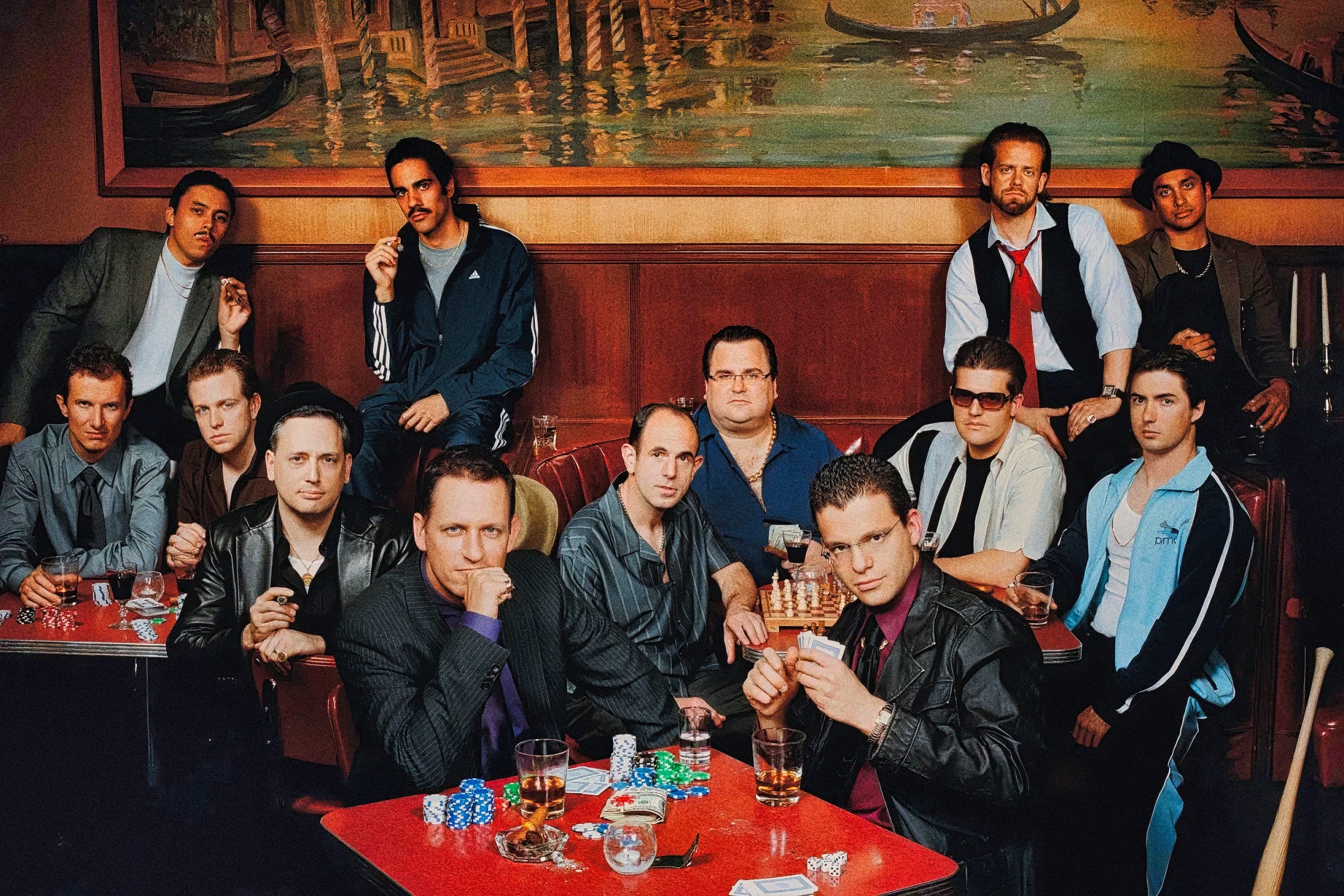
we brought the biggest names in tech together for a night of MAFIA — a game of deception, deduction, and manipulation. check out our first episode today!

this isn’t your typical space company IPO where we quibble about financials — it’s a ride on the proverbial starship
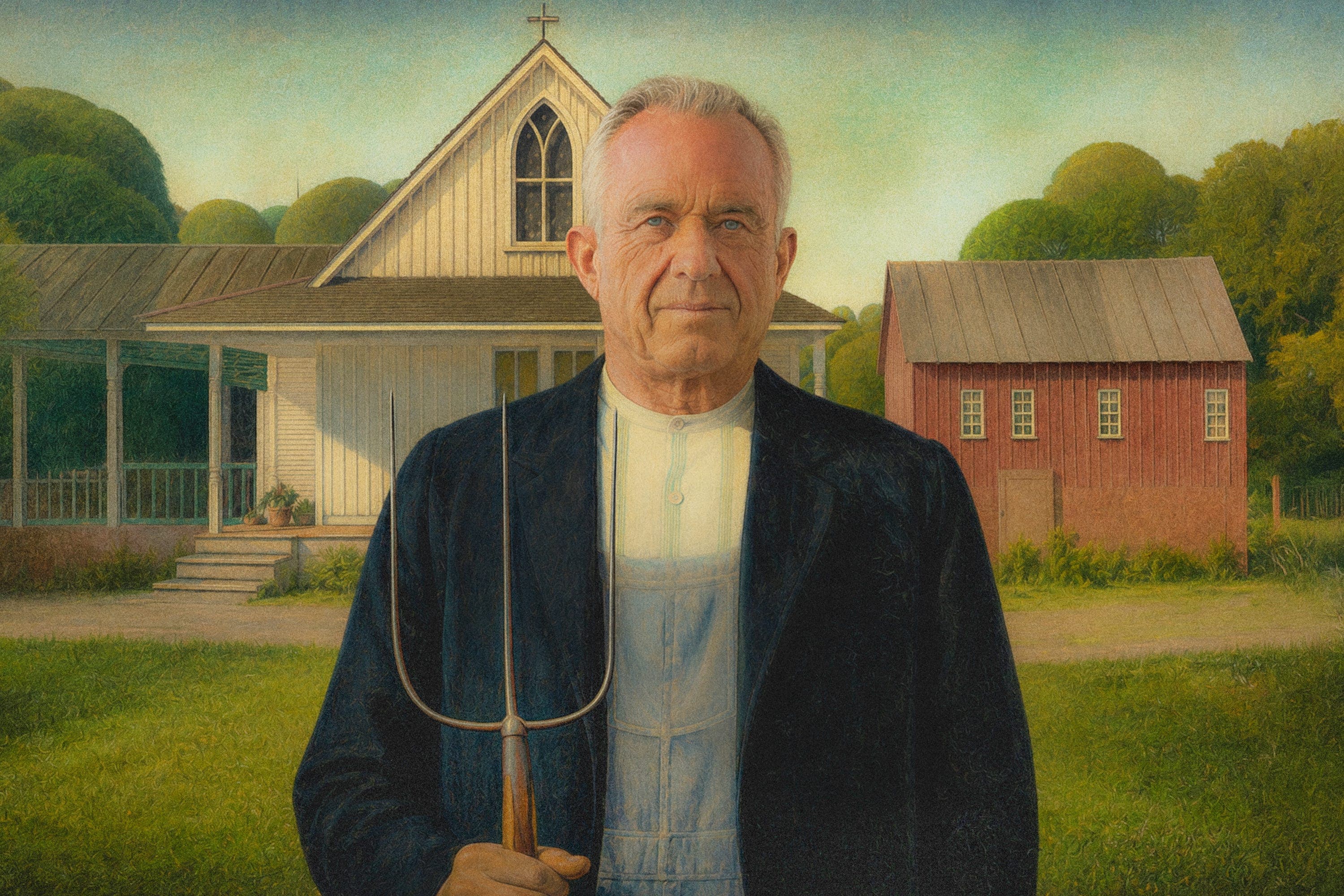
inside rfk jr’s powwow, deep in texas hill country, to save american agriculture through the power of artificial intelligence (and capitalism)
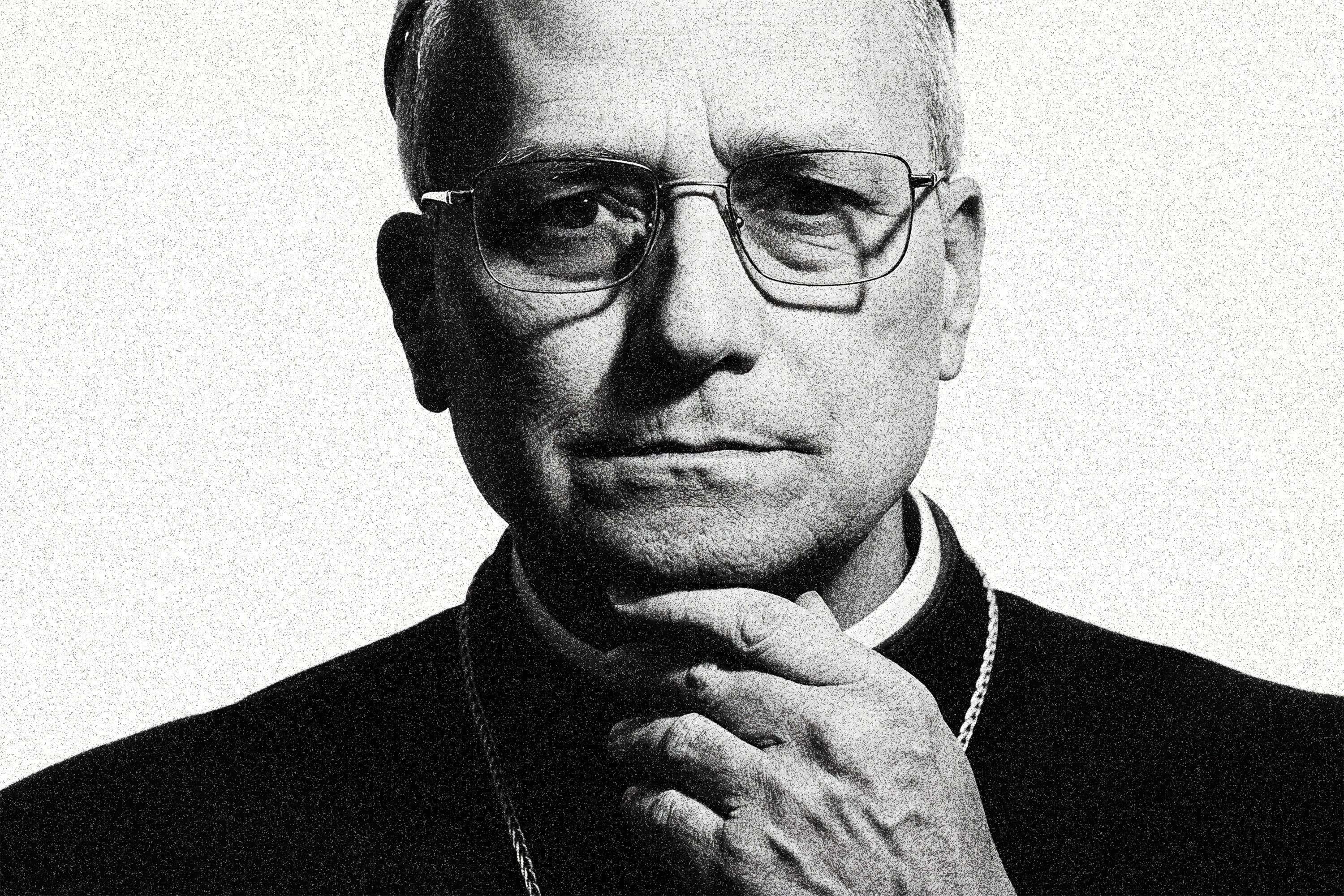
we read the pope's 40,000-word ai manifesto. he doesn't think 'alignment' is enough to avoid disaster