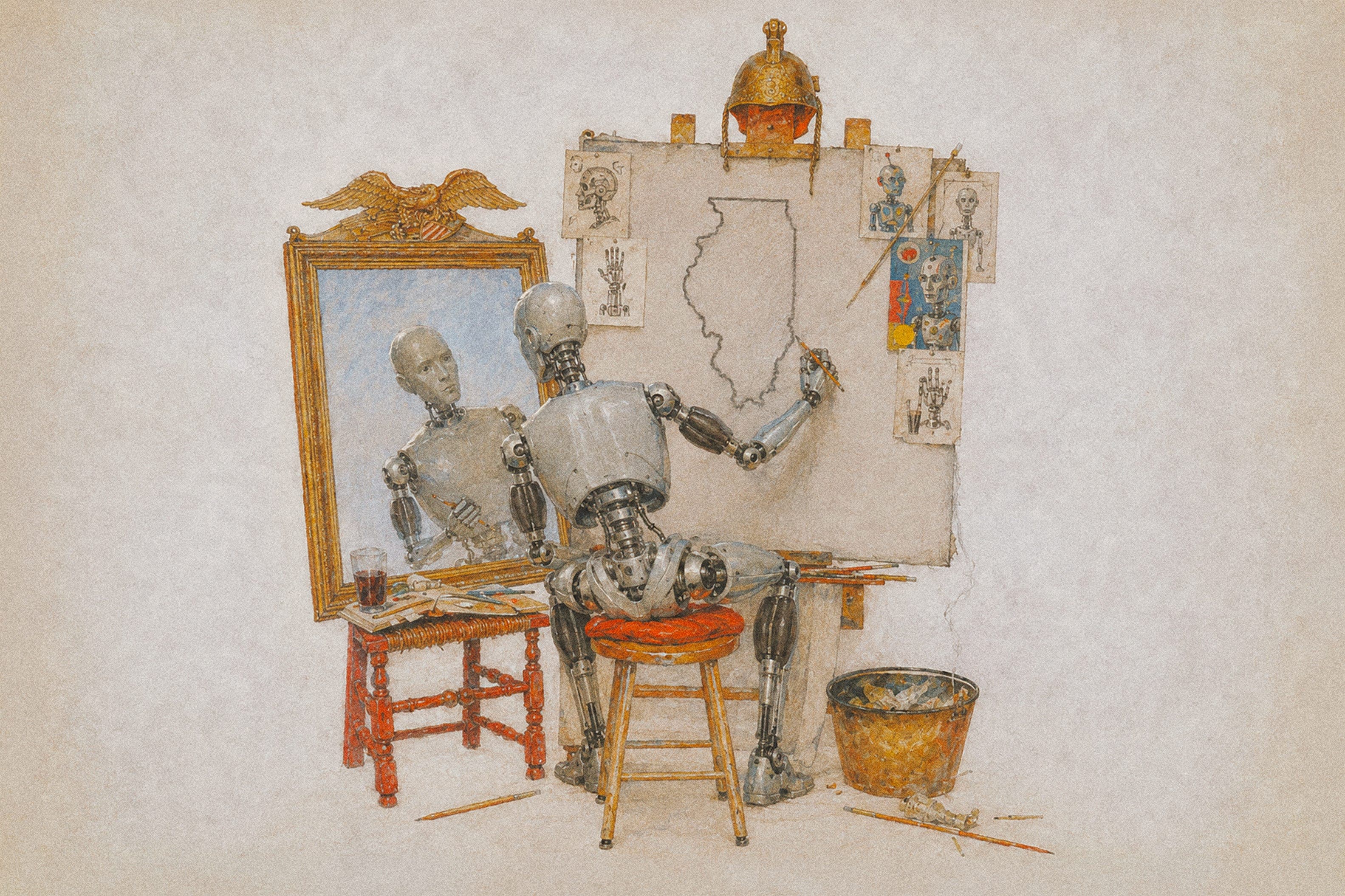
Last month, the Virginia Supreme Court ruled that its Democratic legislature had illegally placed a redistricting amendment on the April 21st special election ballot. The amendment, which violated the state’s constitutional process (because it was passed after voting had begun), would have authorized a new map projected to shift the state’s congressional delegation from 6-5 Democratic to a shocking 10-1.
That illegal amendment was Democrats’ answer to a redistricting arms race that began nearly a year ago. Last August, Texas Republicans re-drew their congressional map, adding five GOP seats. In response, California added 5 Dem seats; Indiana tried and failed to add 2 Rs; Ohio added 1 R; Missouri added 1 R; North Carolina added 1 R; and Utah’s courts handed Democrats a free pickup.
Then, on April 29, SCOTUS ruled that the Voting Rights Act could only be invoked against maps created with the express intent to discriminate against minorities. (Previously, it could be used against virtually any map activists claimed was racist, de facto forcing districts to draw maps with race in mind.) Freed from the VRA, within hours, Florida’s House passed a new map adding four GOP seats. Tennessee’s governor approved a map last Thursday eliminating the state’s only Democratic district. Then, Virginia tried and failed to redraw its map on May 8.
We’ve entered a nightmare scenario: each party is openly drawing maps to benefit themselves.
After SCOTUS’s 2019 Rucho v. Common Cause ruling, which established that gerrymandering claims are beyond federal courts’ reach, the judiciary has essentially no power to keep the redistricting arms race in check.
It’s easy to take all this as a blackpill about the state of our Republic — but some think Silicon Valley has an answer: AI governance futurism. In their latest policy proposal, OpenAI discusses a future where “government decisions are made through AI-assisted workflows”; Anthropic CEO Dario Amodei proclaims in his essay, “Machines of Loving Grace,” (which really is quite good — one of the must-read pieces of the AI era) that “in established democracies, AI might enhance legal and judicial systems, reducing bias and improving the application of justice…”
So, I gave it a try.