Drone Wars (We’re Losing) Jul 9
how the u.s. fell dangerously behind china on drones — and what that means for the future of warfare
8 Likes
2 Comments
Mar 4, 2026
In one of the first hockey games at the 2022 Winter Olympics in Beijing, the United States beat China 8-0. This was not exactly a surprise; it was the first and only time China has had an Olympic hockey team. As the host nation, it was guaranteed a spot when it otherwise would never have qualified. The Chinese goalie, Shimisi Jeruimi, mounted a noble defense, but it was a rough showing for his country — and rather awkwardly for him, a great showing for his… other country. Shimisi Jeruimi, you see, was born in Dearborn, Michigan, and on this side of the Pacific he’s just called “Jeremy Smith.”
In fact, China — population over 1 billion — stocked over half its Olympic hockey roster with players from abroad, mostly the US and Canada. Each was issued a Chinese name, most entertainingly the white ones. Jake Chelios — son of Hockey Hall of Famer and three-time Stanley Cup winner Chris Chelios — became “Kailosi Jieke.” A Russian on the team, Denis Andreyevich Osipov, became “Dannisi Aoxibofu.” Lucas Lockhart became “Jia Luo.” Most were mid-level US players who had been recruited to play for a team in Shanghai. By one method or another, each was made a national of the People’s Republic of China.
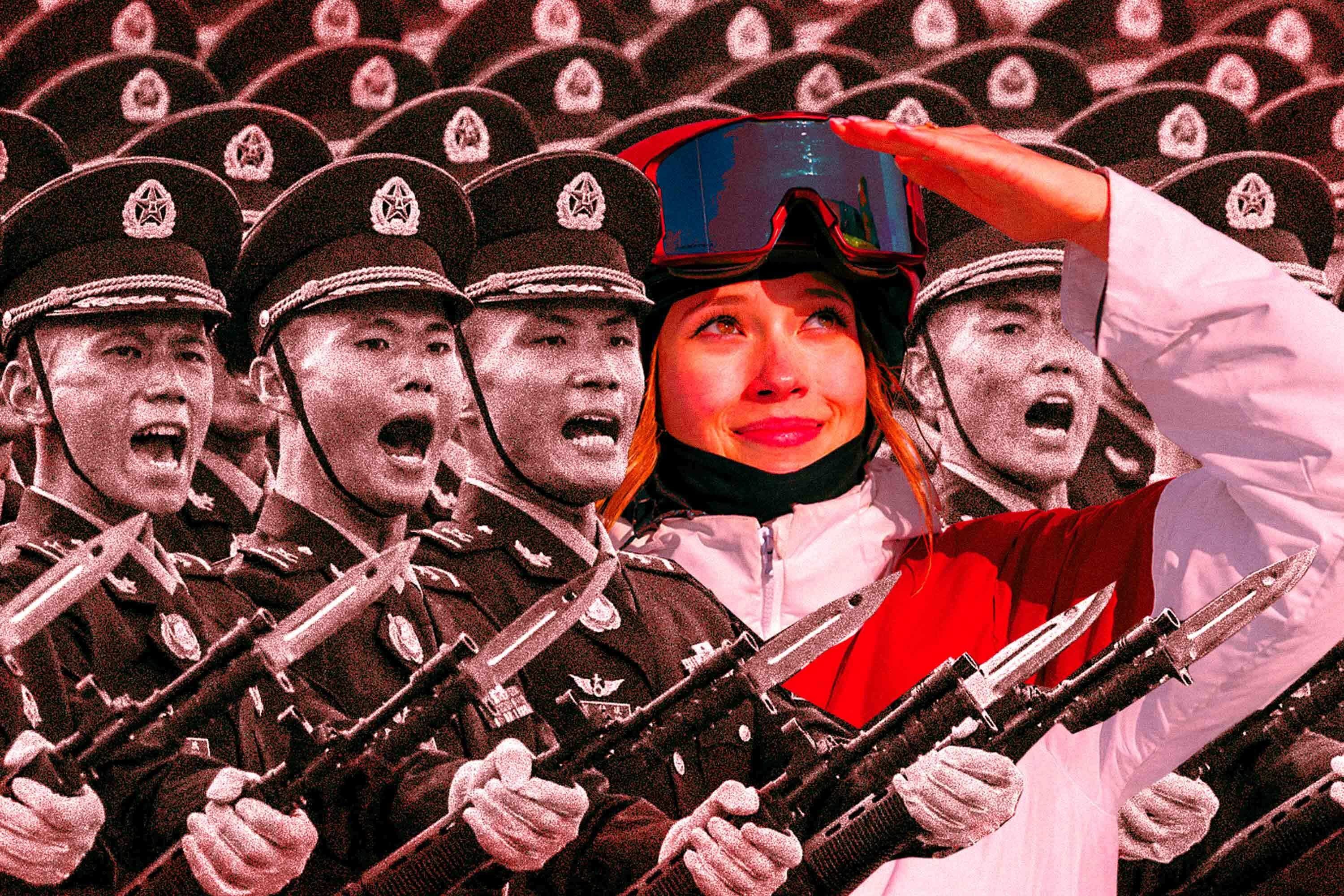
I went down this rabbit hole because of a much more famous American who has decided to compete for China at the Olympics: Eileen Gu, or Gu Ailing. She’s an international relations major at Stanford, scored a 1580 on the SAT, and has become fabulously wealthy as a result of her switcheroo — both via direct payments from the Chinese government and major sponsorships from Chinese brands. Her earnings in 2025 of between $20 and $30 million made her one of the highest-paid female athletes in the world. Like some of those “Chinese” hockey players, her citizenship is a mystery. Her mother was born in China, but Gu was born in the US and grew up in San Francisco. The International Olympic Committee requires athletes to be nationals of the countries they represent, but China has notoriously strict citizenship laws, and does not recognize dual citizenship. Gu has repeatedly refused to answer clearly, saying things like: “I’m American when I’m in the US and Chinese when I’m in China.”
Either Gu actually renounced her American citizenship — consummating the betrayal — or the Chinese government made a corrupt exception to its otherwise strict ban on dual citizenship. The most plausible scenario, I think, is the latter: China bent its own rules for a photogenic Wasian ski prodigy because the propaganda value was worth it.
At the recently-concluded 2026 Winter Olympics in Italy, Gu won three medals for China. She has drawn a level of contempt from ordinary Americans that is rare for an athlete, and rarer still for an Olympian. I think she’s earned every bit of it, but to give her the benefit of the doubt, I decided to take a look at the history of athletes competing under other flags, to figure out whether I — or we — were being unfair to her.
how the u.s. fell dangerously behind china on drones — and what that means for the future of warfare
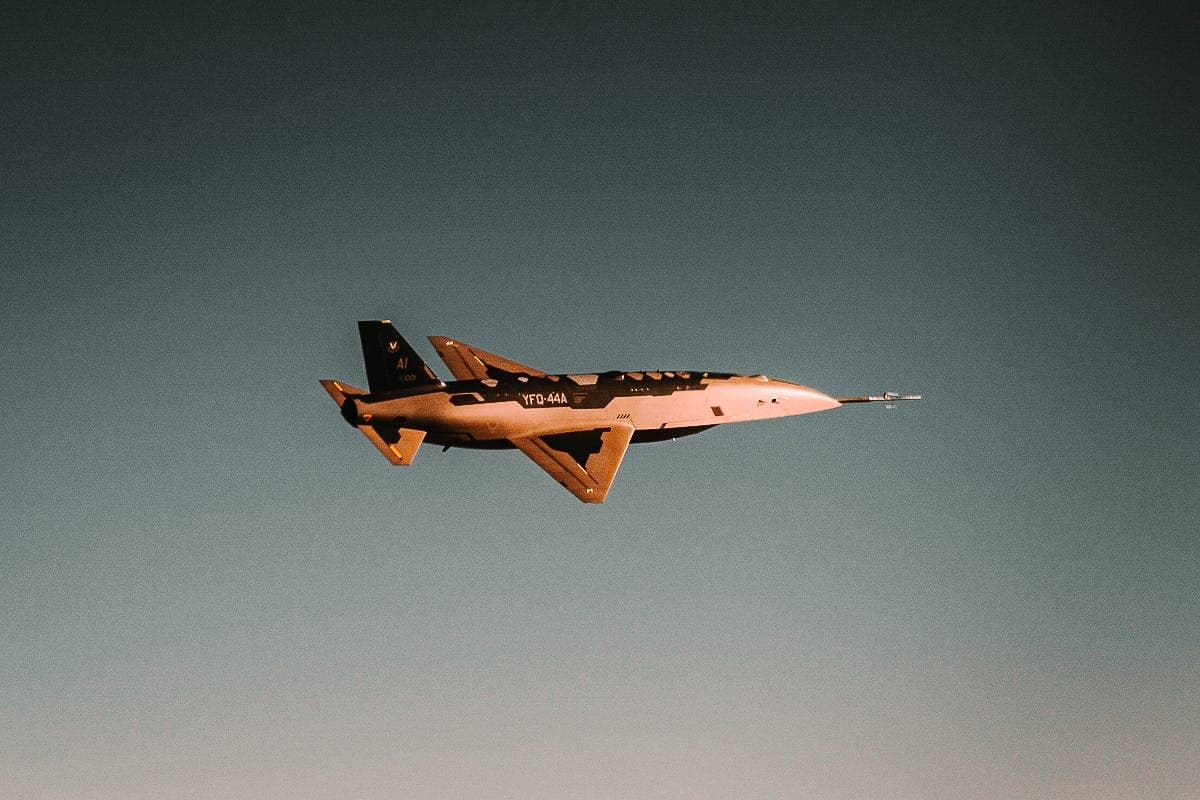
inside anduril's race to build america's first autonomous fighter jet — and the pentagon's bet that robotic airpower will redefine warfare in the decades to come
a florida law that would prevent citizens of foreign adversaries like china from buying agricultural land and land near military bases has been halted by an activist judge for being racist