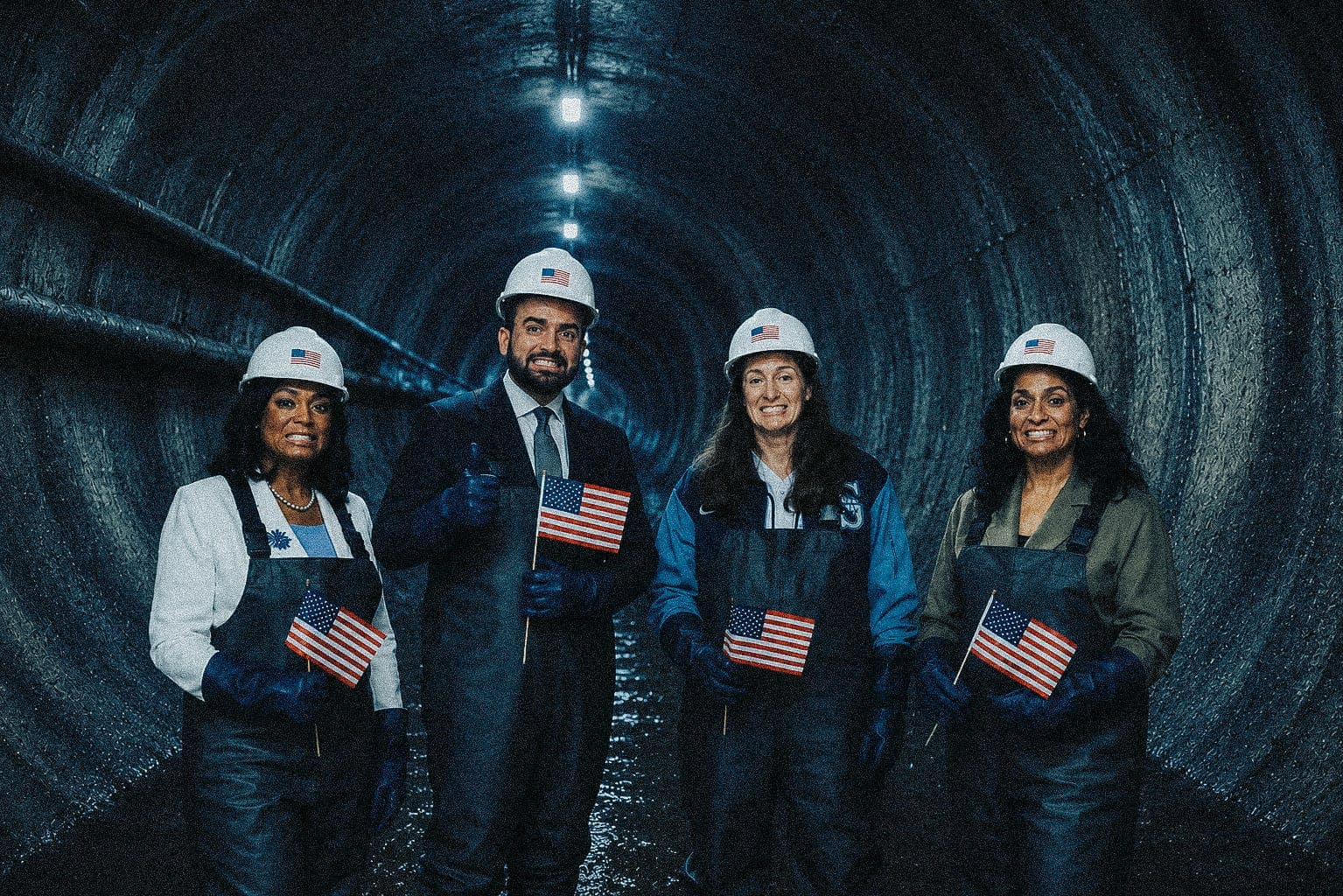
Socialism Is Coming to a City Hall Near YouJun 25
nyc, la, dc, and seattle are all falling to so-called 'sewer socialism' as the barista class increasingly takes over the soul of the democratic party
52 Likes
19 Comments
Jul 22, 2026
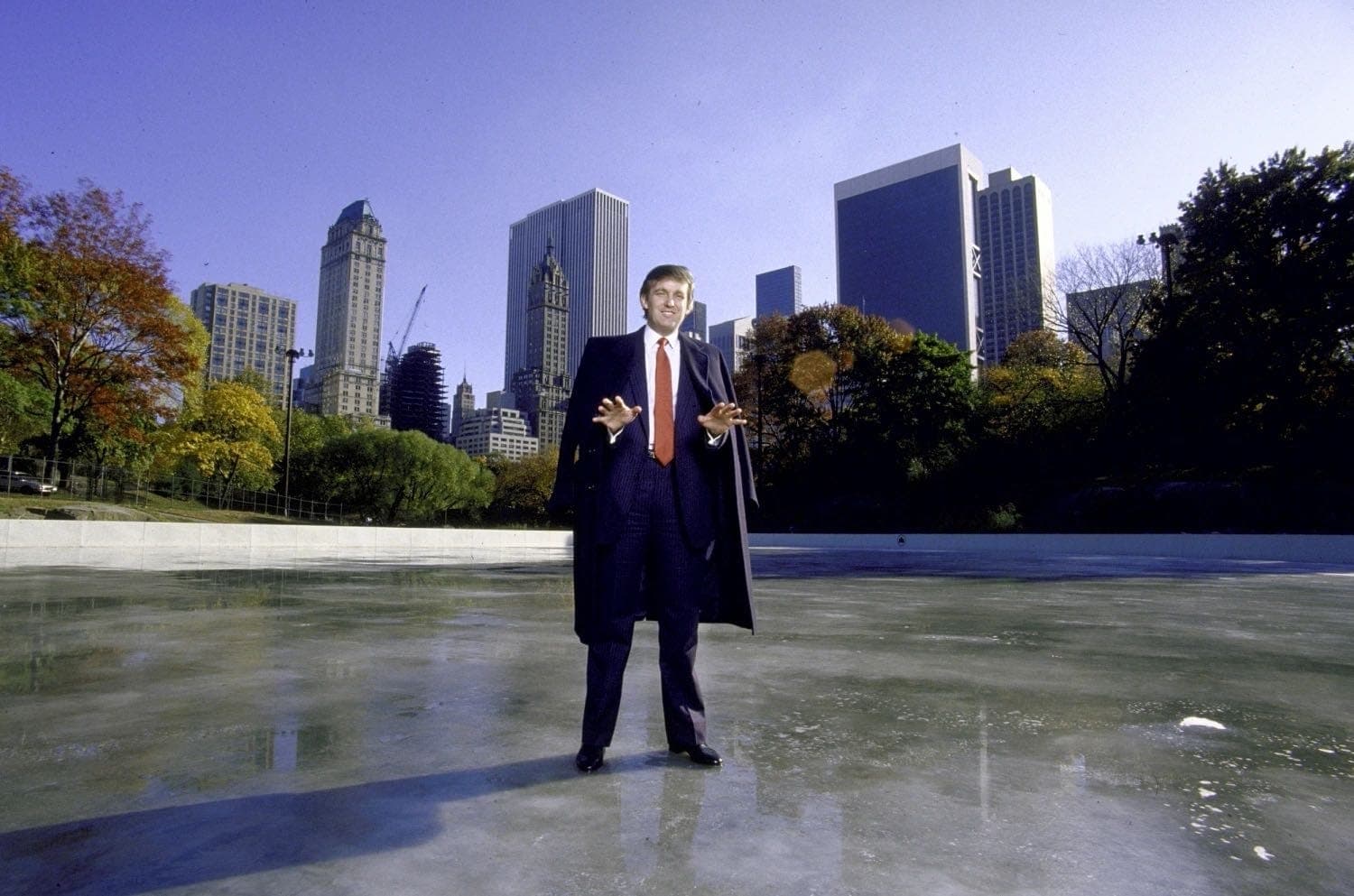
It’s New York Summer.
Like it or not, the Empire City is the center of the universe again. The New York Knicks’ underdog NBA finals run (featuring the largest comeback in NBA Finals history) had residents buzzing for weeks, and vibes are undeniably high.
According to many, this renaissance is the work of Socialist Mayor Zohran Mamdani.
Left wing commentator Kyle Kulinski, in an X post garnering 171,500 views and thousands of likes, credited the mayor with pressing “the giant ‘make things better’ button.” Journalist and self-described “humanist” Charlotte Alter suggested to her 65,000 X followers that Mamdani alone was responsible for restoring “a sense of vitality and community to the entire city.”
In a since-deleted post that garnered more than 14,000 likes, a Mamdani enthusiast shared a video of a beautiful evening stroll through Bryant Park, with the snarky caption: “Another terrifying day in Socialist, Communist Mamdanistan apparently!”
And, yes, that stroll through Mamdani’s New York — pictured below — looks, admittedly, lovely.
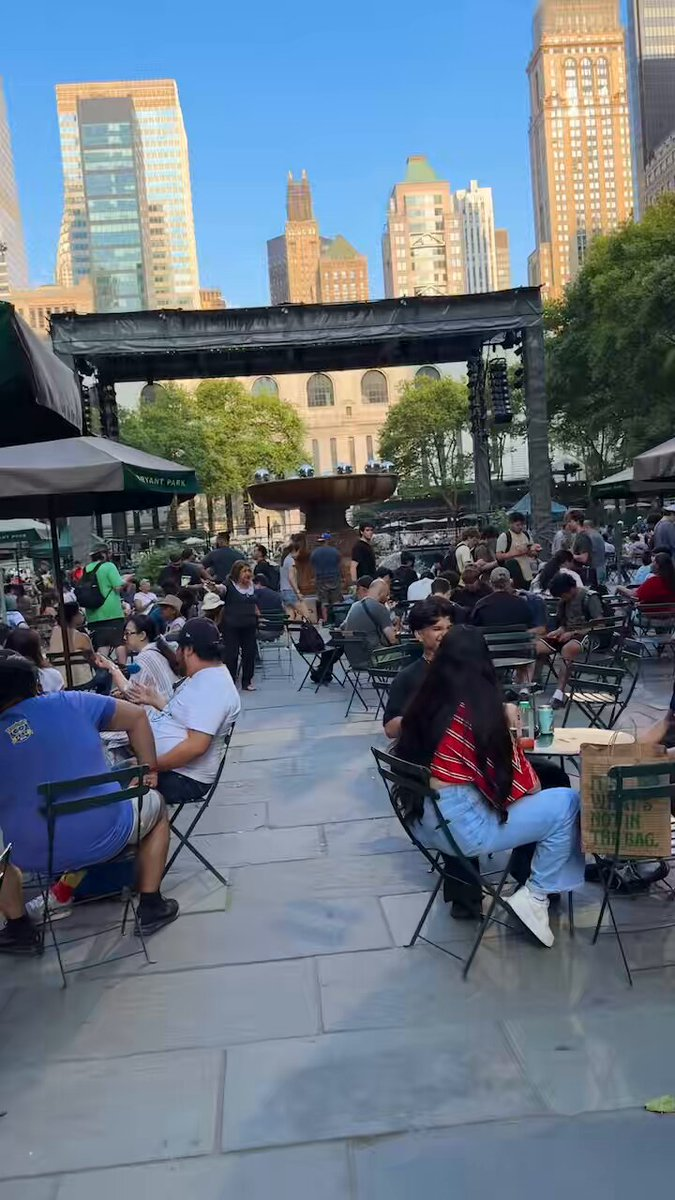
As you make your way through the greenery, hand-in-hand with a pretty Hinge date, taking shelter from the summer heat under a well-pruned tree in a public park, you might pause and think, huh… if things can be this nice, that socialist stuff can’t be so bad…
However.
You and Sarah from comms at Deloitte are nestled in expertly groomed enclaves of free market capitalism.
Indeed, a great many of New York City’s “public” cultural touchstones are maintained, in large part, thanks to its private sector. These private investments in public spaces were not compulsory, nor extracted at gunpoint. The aforementioned Bryant Park, Central Park, Madison Square Park, the Battery, and basically every other high-profile park you can name are managed and funded, in large part, by dedicated non-government “conservancies.” And behind those conservancies are, typically, a few very rich people who want their local parks to be livable (and beautiful).
Let’s start with Bryant Park, which the poster above trotted out as an example of socialism’s benefits.
nyc, la, dc, and seattle are all falling to so-called 'sewer socialism' as the barista class increasingly takes over the soul of the democratic party
I snuck into the atlantic, home of the "abundance" movement, and argued the entire thing was doomed to fail
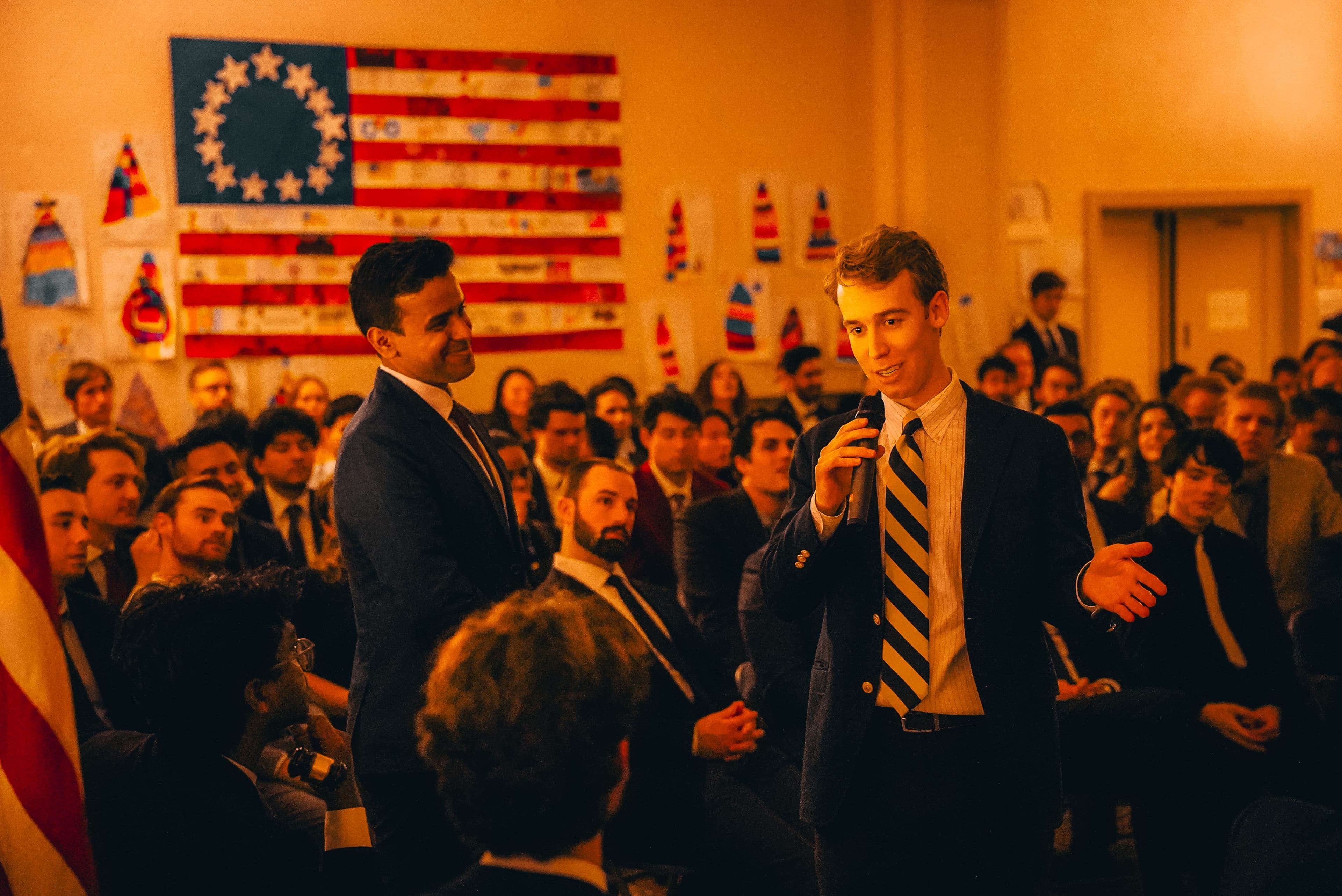
the hamilton society, which hosts monthly debates inside a catholic church, is quickly becoming a cultural focal point in san francisco
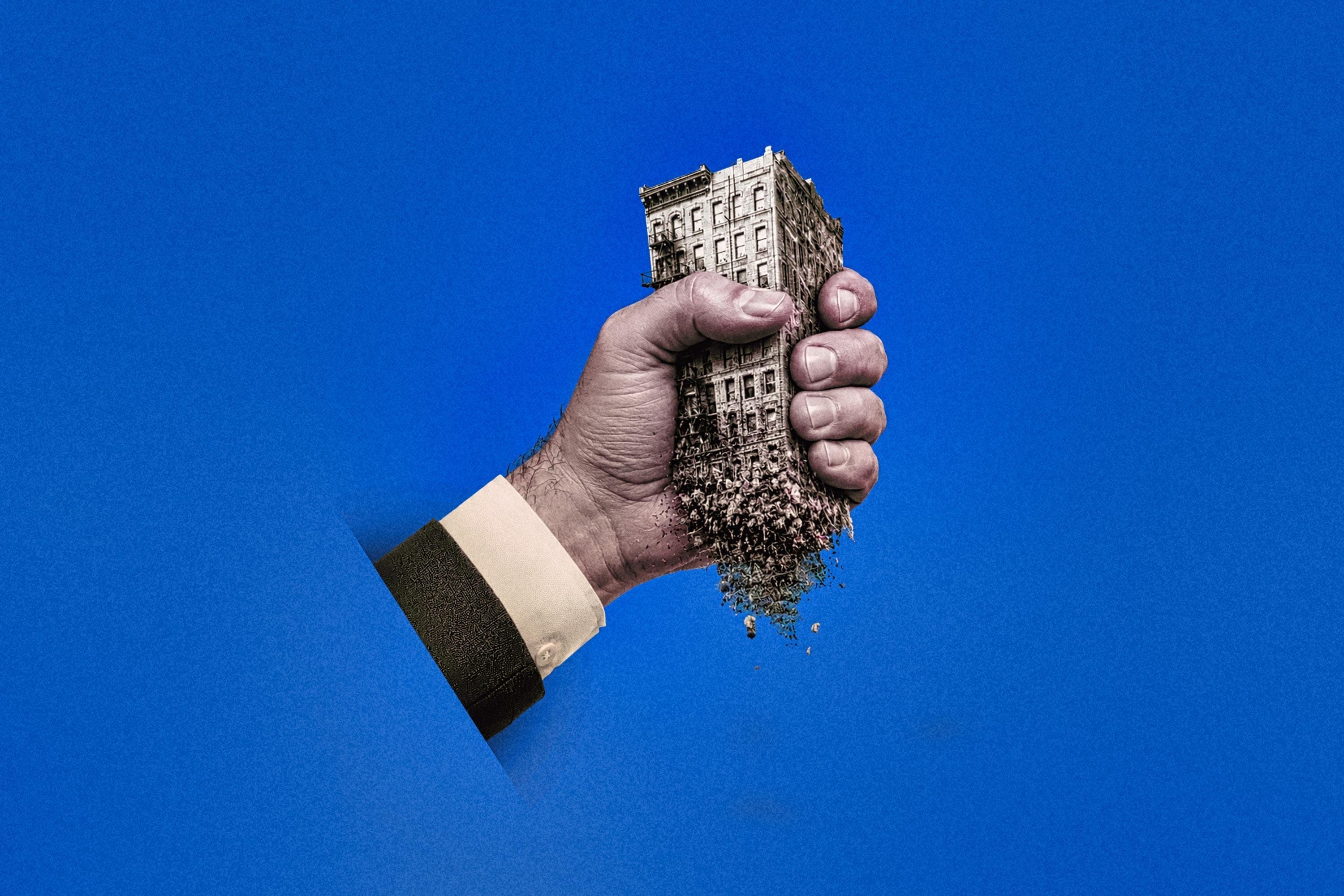
new york city's mayor wants to take private properties and transfer their ownership to nonprofits. the city's recent history shows why that's a terrible idea
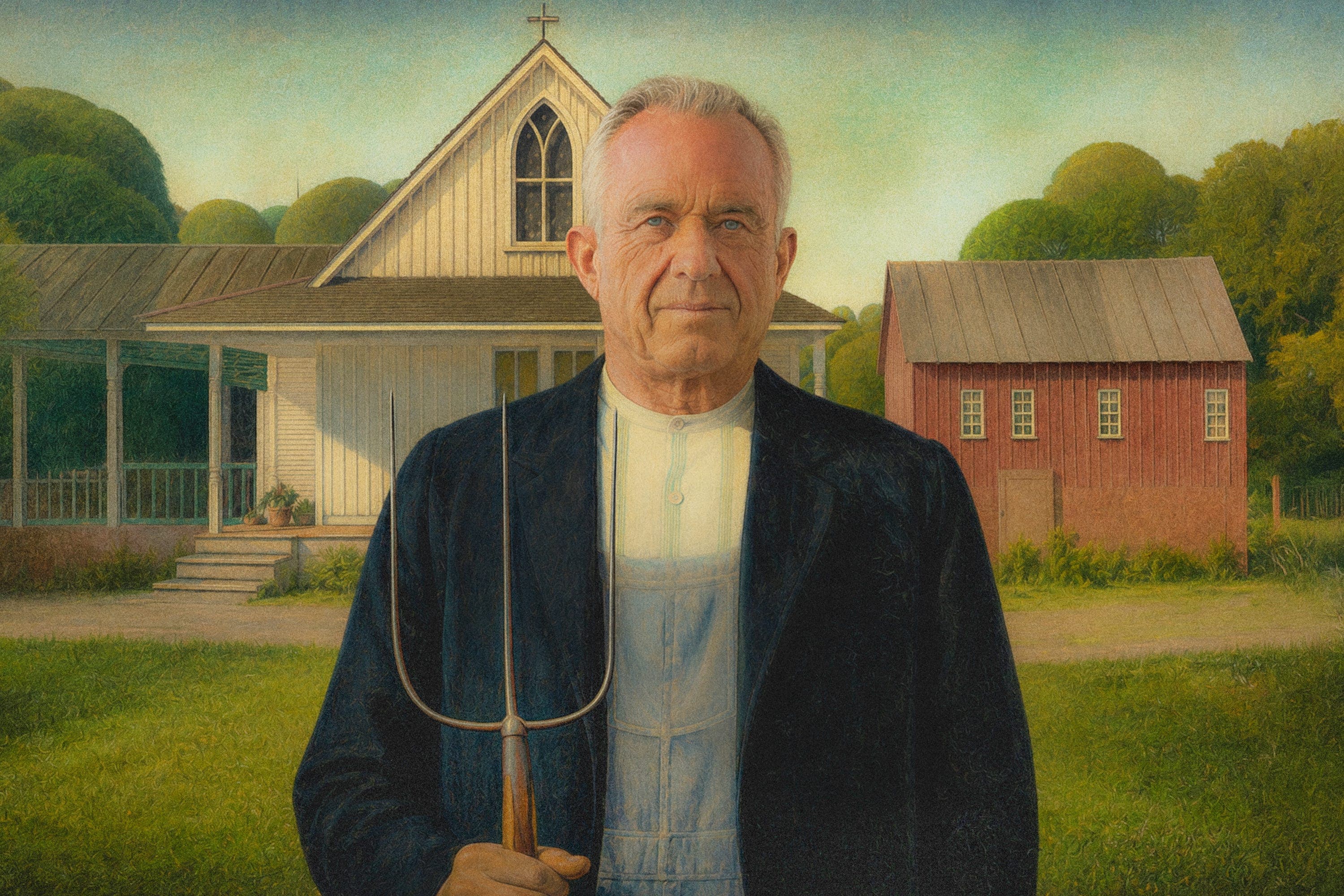
inside rfk jr’s powwow, deep in texas hill country, to save american agriculture through the power of artificial intelligence (and capitalism)
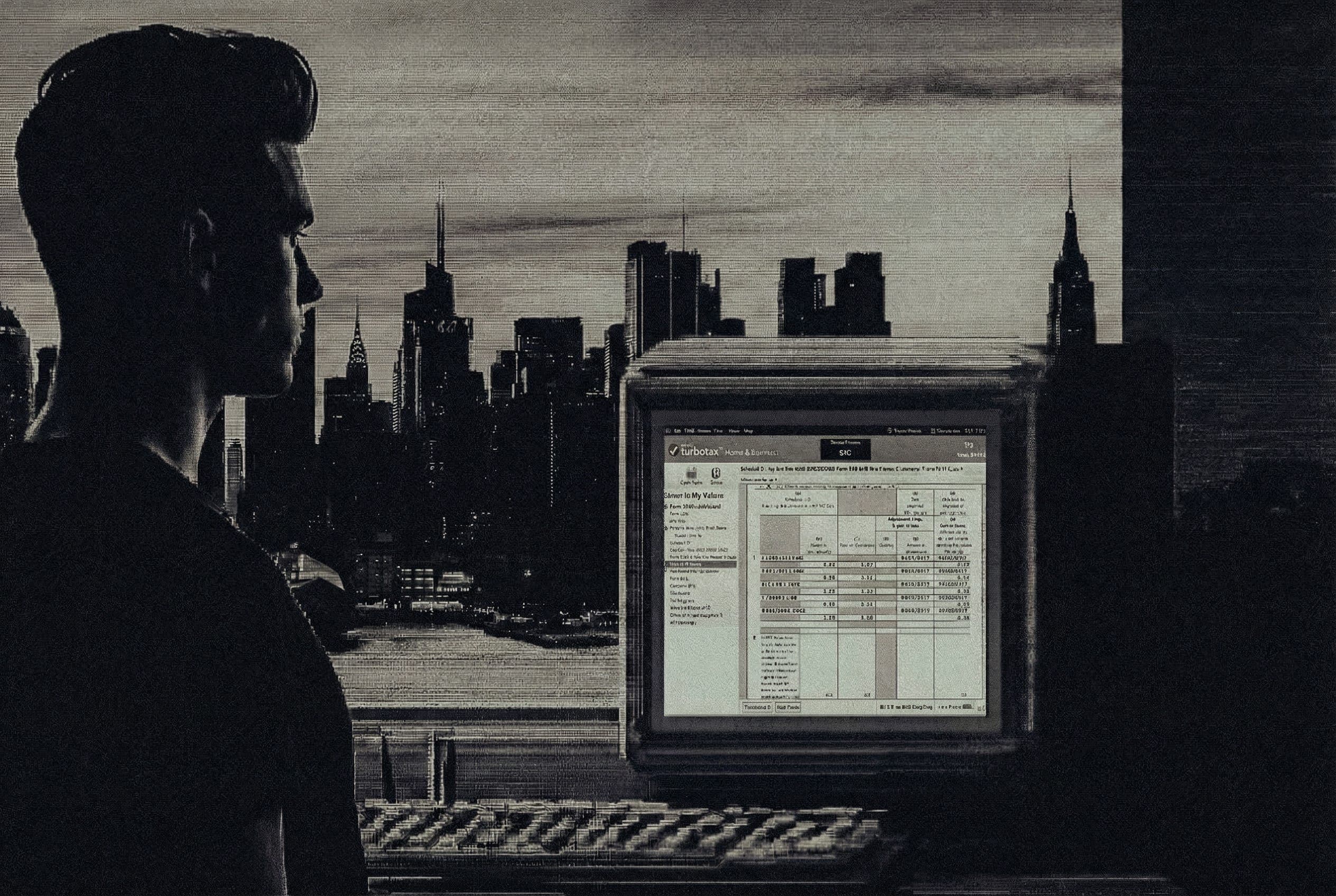
an epic rant from an anonymous investment banker in mamdani's new york