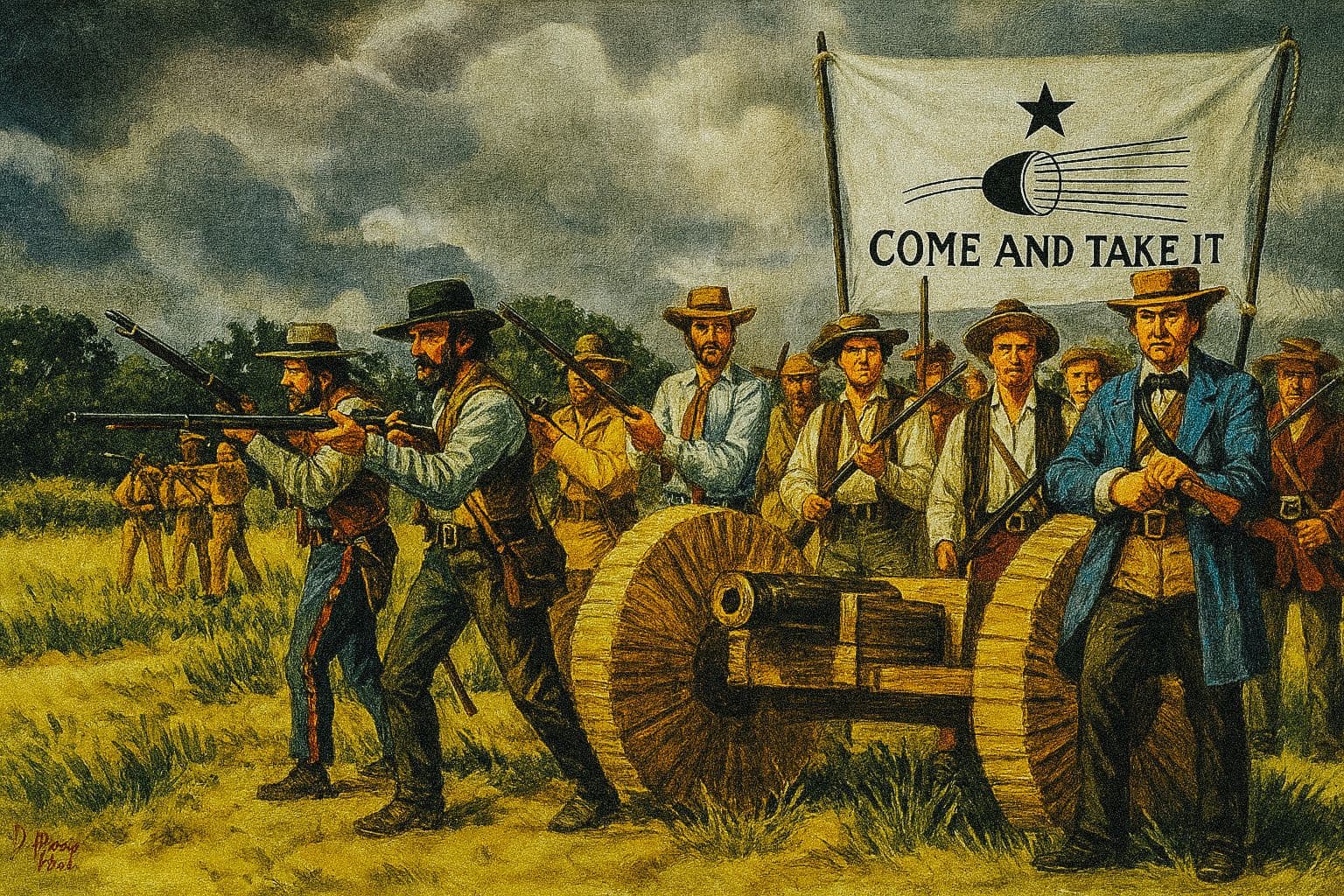
Shower/acc: How Congress Throttled Indoor Water Flow, and Why We Must Liberate ItApr 9
thanks to a 1992 law, americans have been subject to unsatisfying, low-flow showers for decades. it's time to accelerate.
17 Likes
15 Comments
Feb 25, 2026
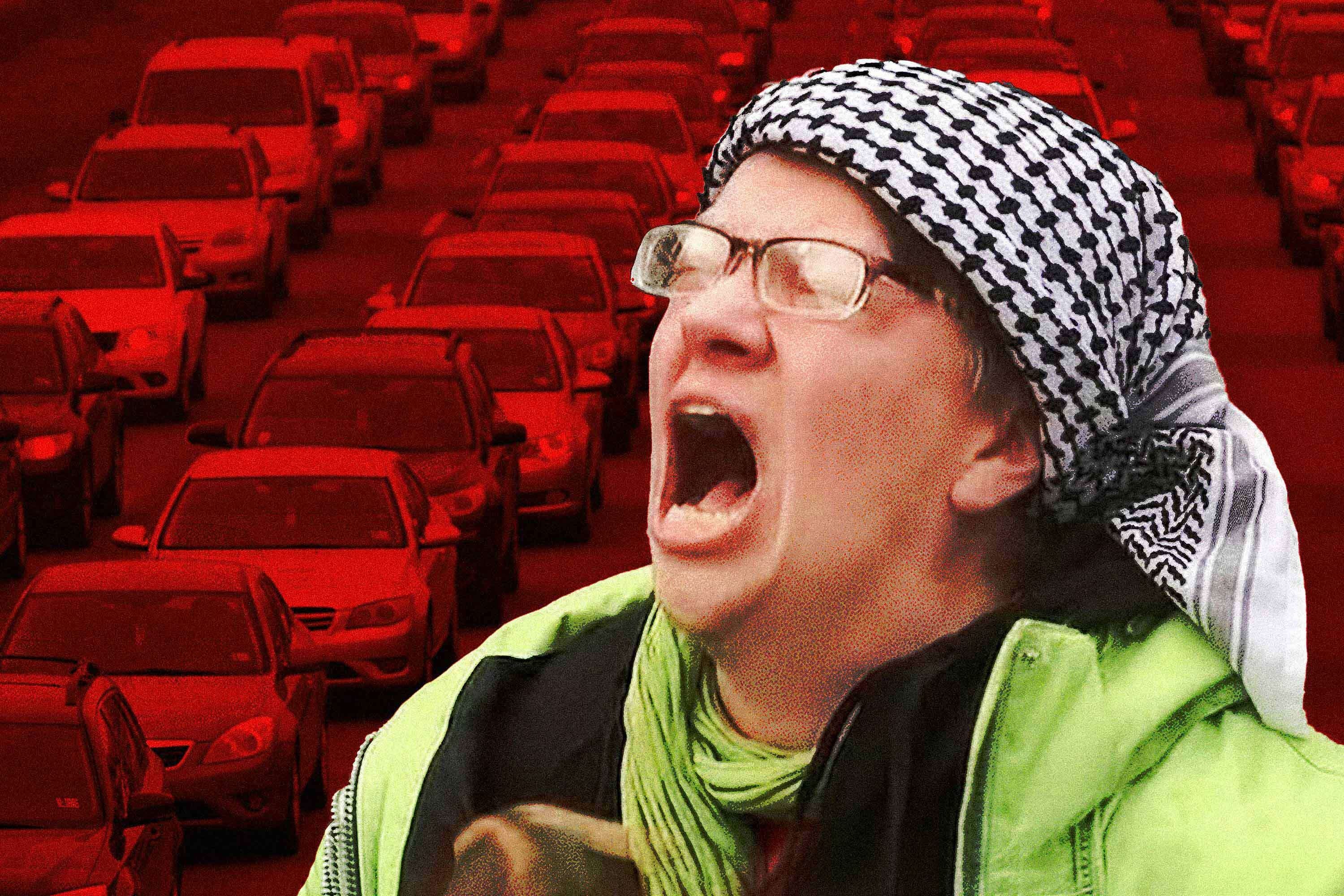
On April 15, 2024, pro-Palestine activists illegally shut down traffic in Philadelphia, Chicago, and the Bay Area during rush hour. On the I-880 in Oakland, 15 protesters sat down in the middle of the highway, chaining themselves together and holding a “STOP THE WORLD FOR GAZA” banner. Meanwhile, 26 activists blocked the Golden Gate Bridge for four hours.
An attorney for the Golden Gate activists said they “were exercising their First Amendment rights, their dissent and their outrage over the genocide that’s taking place in Gaza.” The excesses of these actions stand in contrast to the multitude of protests across the country held by citizens exercising their First Amendment rights without crippling regional economies.
When people complain about protests like these, the “No Justice, No Peace!” crowd is quick to ask: Who was really harmed?
And, sure, the protests may not have caused injuries or trapped ambulances, but there were, according to San Francisco District Attorney Brooke Jenkins: “missed surgeries and medical appointments, a baby without water for infant formula, and people stuck without bathrooms.”
There’s also the economic impact.
The ABC News summary of Jenkins’ report mentions that 200 people called the California Highway Police to say they were stuck on the bridge that day. As Mission Local reports, “on the day of the protest, 27,921 vehicles crossed the bridge southbound, 17,352 less than the daily [southbound] average for March. Multiply the difference by $9.37, the average toll revenue per crossing, and the result is $162,554.” (That was just southbound; the bridge was blocked in both directions.)
Jenkins encouraged people who couldn’t use the Golden Gate Bridge that day to seek restitution. The city brought charges like trespassing and false imprisonment against the protesters (including felony charges against the organizers, many of which were later dropped), and the bridge’s management group filed restitution for lost tolls of $163,000.
As fearsome as this sounds, the charges were (mostly) toothless: The Golden Gate agency dropped its restitution claim a few weeks later, after apparently only nine people came forward to seek restitution. (Presumably, the rest had email jobs and dialed into work from their cars, or just didn’t care enough about a deranged mob standing in the way of their workday.)
Those nine people claimed a total of $5,300 in lost wages, which 16 of the protesters then split. This meant each of them coughed up just $331.16.
All told, the activists paid $5,300 for four hours of 17,000 people’s time — a pretty good deal at just ~$0.08 per hour, and far below minimum wage.
thanks to a 1992 law, americans have been subject to unsatisfying, low-flow showers for decades. it's time to accelerate.
trans and gender-nonconforming new yorkers can now enjoy free yoga, meditation, and cooking classes for $433k per bed — thanks to a career activist who "sued the living bejeezus out of the city"
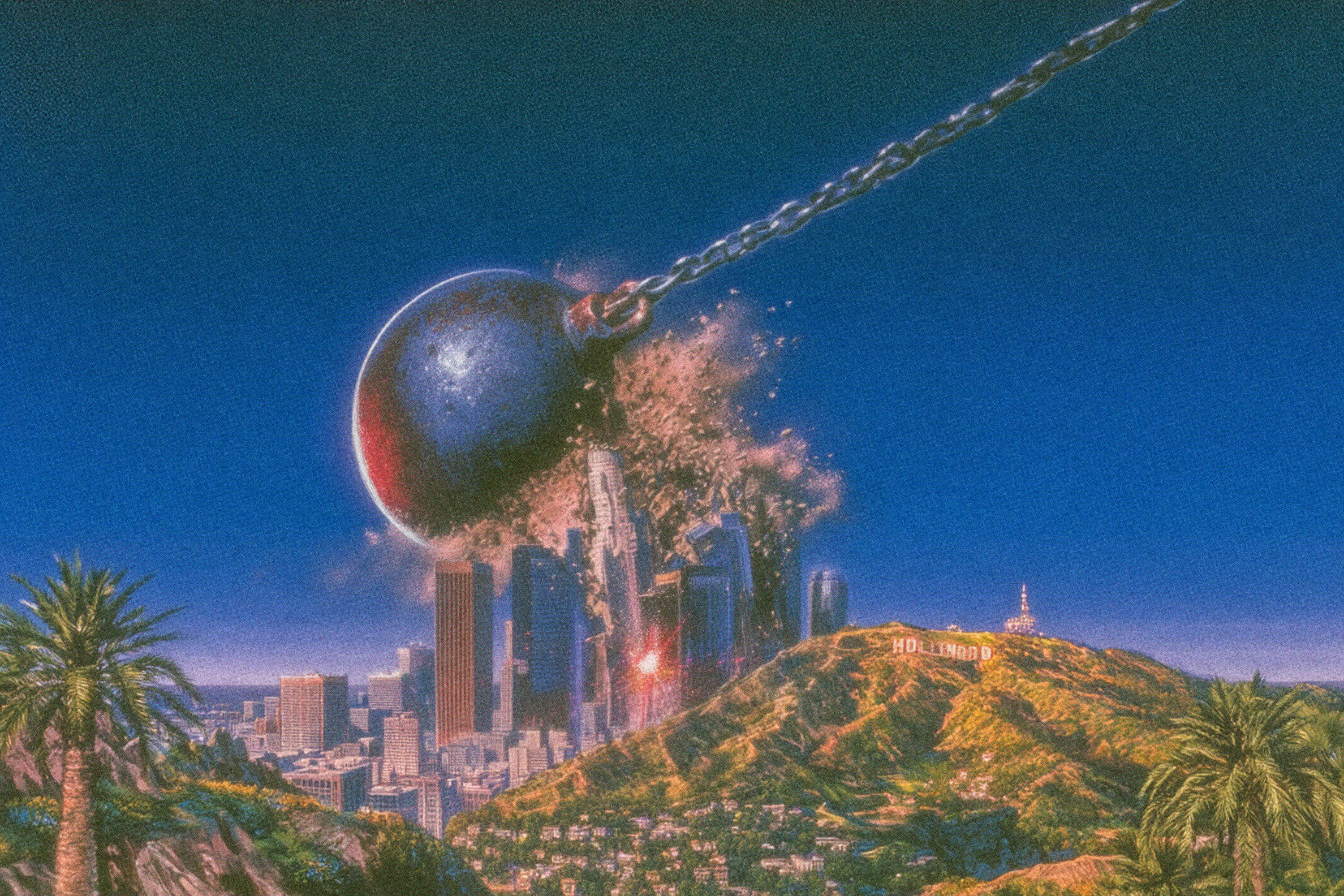
los angeles keeps making it harder to build, buy, and stay, as its “mansion tax” and other restrictions fuel a massive exodus.