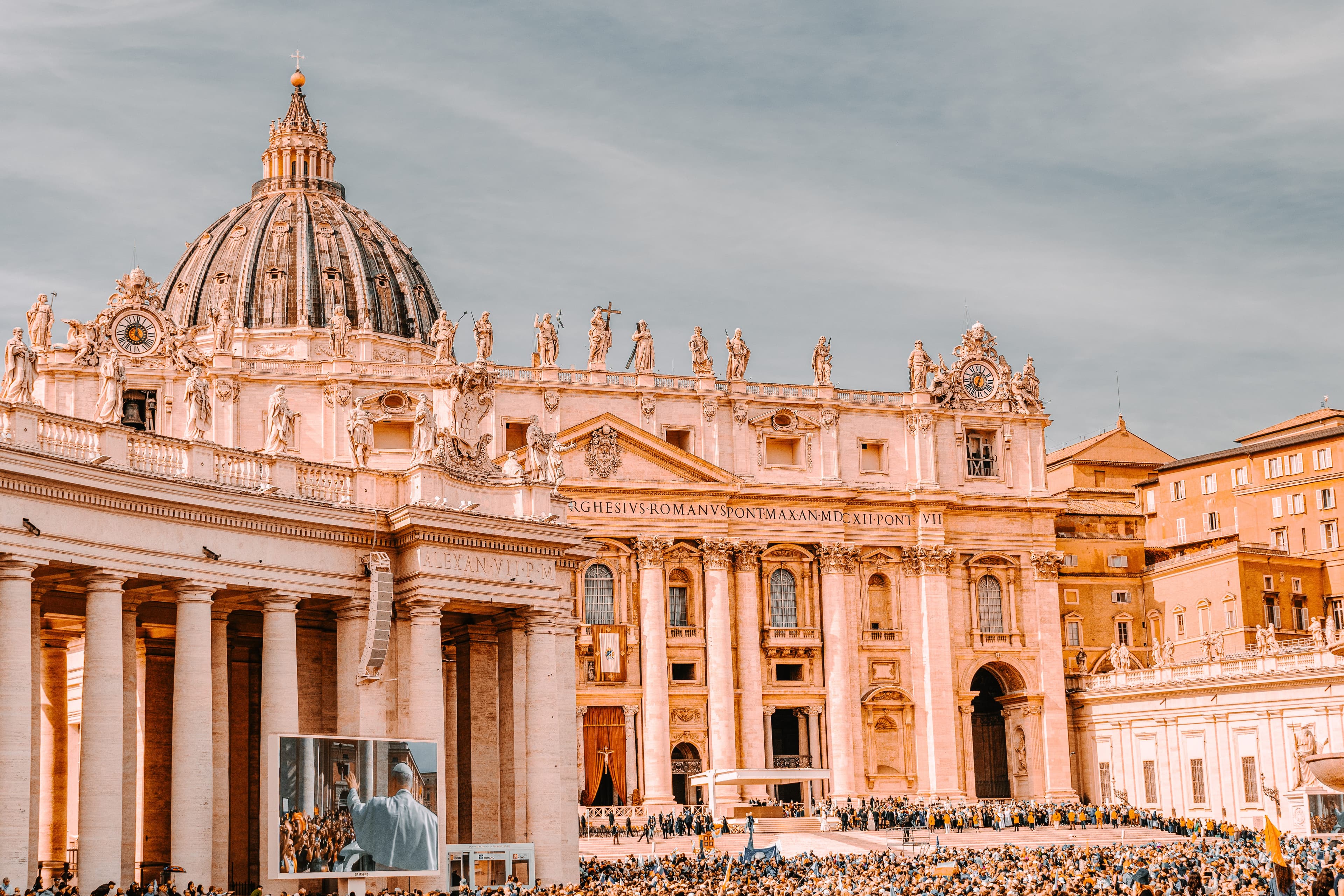
Anthropic, Meet the Holy FatherMay 22
pope leo and dario's people are getting together to talk about god: here's what to expect
51 Likes
6 Comments
May 28, 2026
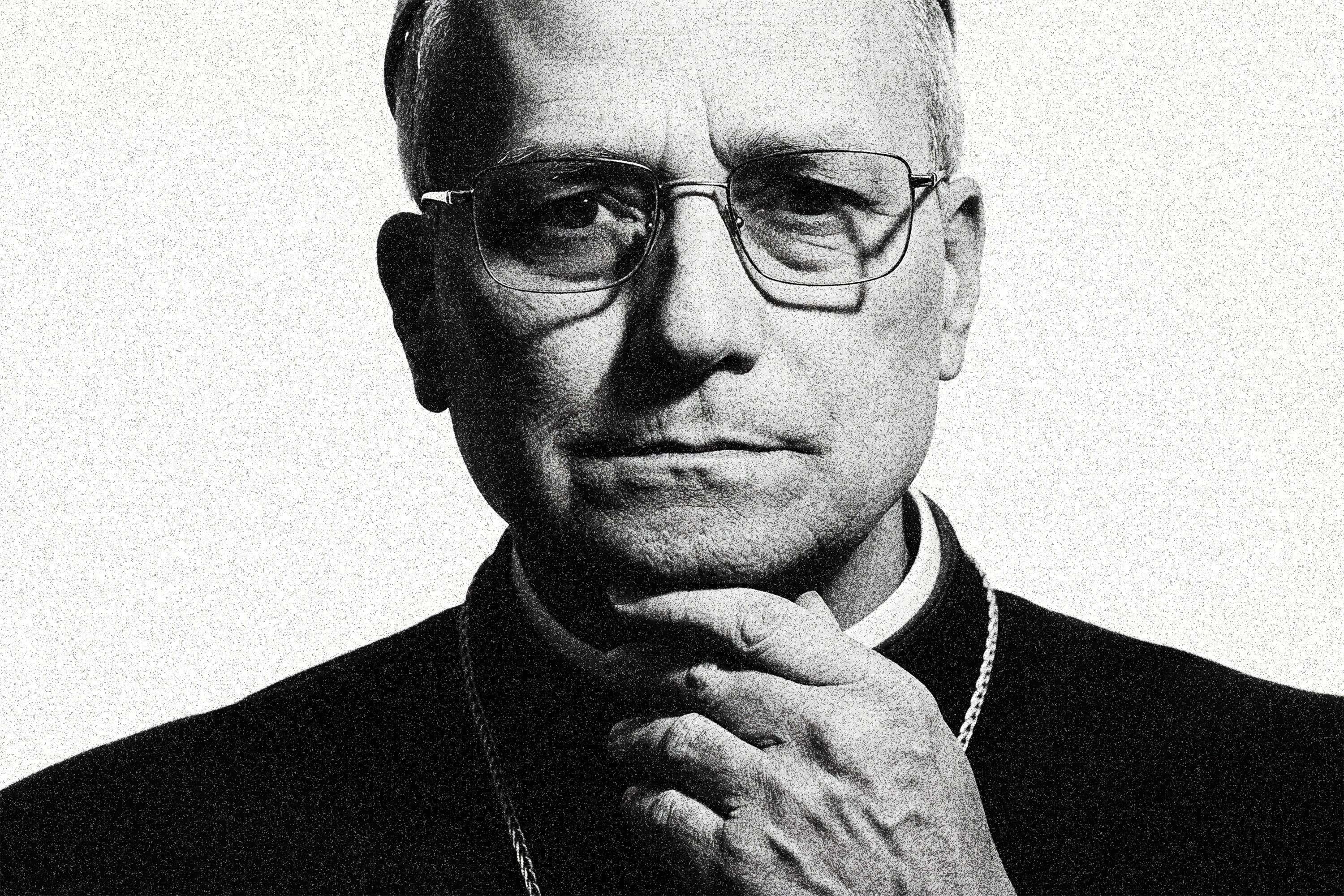
On Monday, Pope Leo XIV released his “encyclical” (important papal essay), in which he said many things: tech and scientific discoveries are “talents entrusted to humanity so that they may bear fruit”; on the other hand, tech is never neutral. It takes on the characteristics of its makers; it threatens human dignity with new forms of dehumanization; and it can serve “the idolatry of profit that sacrifices the weak” rather than God and the common good. And what not.
But among the 40,000 or so words, one idea stood out to me.
To help us discern how to navigate the era of AI, he repeatedly drew on two contrasting Biblical stories: the construction of the Tower of Babel, and the rebuilding of the walls of Jerusalem.
In this Genesis story, after settling in the land of Shinar, the people decided to build something magnificent: “Come, let us build ourselves a city and a tower with its top in the heavens, and let us make a name for ourselves, lest we be dispersed over the face of the whole earth.”
With “a single language, a single technology, a single direction,” as Leo put it, they succeeded — but God wasn’t a fan. Seeing that “this is only the beginning of what they will do,” he elected to “confuse their language” and… disperse them all over the face of the Earth.
Pope Leo described the approach as profoundly dangerous:
It was a project conceived without reference to God, supported by a uniformity that eliminated diversity and that chose homogenization over communion. When a city is built on pride and the claim to self-sufficiency, communication breaks down, languages are confused and people no longer understand each other. The result is not unity, but dispersion. Babel thus reveals the limits of any effort that, however grandiose, arises from self-affirmation, sacrifices human dignity for efficiency and aspires to reach heaven without God’s blessing.
As Leo sees it, we are currently on this path with AI: “I ask everyone to abandon the construction of yet another Tower of Babel and to join forces in building up the common good.”
The case is… not stupid. You have a tiny, tiny, tiny handful of people influencing the hearts and minds of billions, not to mention the operations of oil rigs and dating apps and the US military and the financial system. Many important choices are being made that shape reality at a grand scale, and, as Leo wrote — smartly, if I may say so! — so-called “alignment” isn’t enough:
107. We cannot be satisfied with merely calling for the moralization of machines — the so-called “alignment” of AI with human values — without also having the courage to insist on a further condition: the possibility of openly discussing the ethical frameworks involved and subjecting them to shared standards of social justice. Otherwise, those who control AI will impose their own moral vision, which will become the invisible infrastructure of these systems. A more moral AI is not enough if that morality is determined by a few. What is needed is a more active political involvement that is capable of slowing things down when everything is accelerating, and of protecting the opportunities for communities still to be able to participate and ask questions.
Per the pope, regulation is not enough. He wants participation in the broadest sense.
pope leo and dario's people are getting together to talk about god: here's what to expect
the pentagon has wanted war ai since vietnam. this is how palantir built it.
despite anthropic frustrating the admin with its blogging and very slow 'politburo' of ethicists, emil michael, the pentagon’s head of ai, says he’s still ‘open’ to a deal
pirate wires #160 // the reality tv villain who just shattered the honesty taboo in los angeles, and the power of a local politician who talks about local politics

looksmaxxing streamers, nineteen-year-old e-girls, and the digital disconnect between creators and superfans
openai said the latest models developed a "creature language" quirk — but not why they fixated on goblins *specifically*