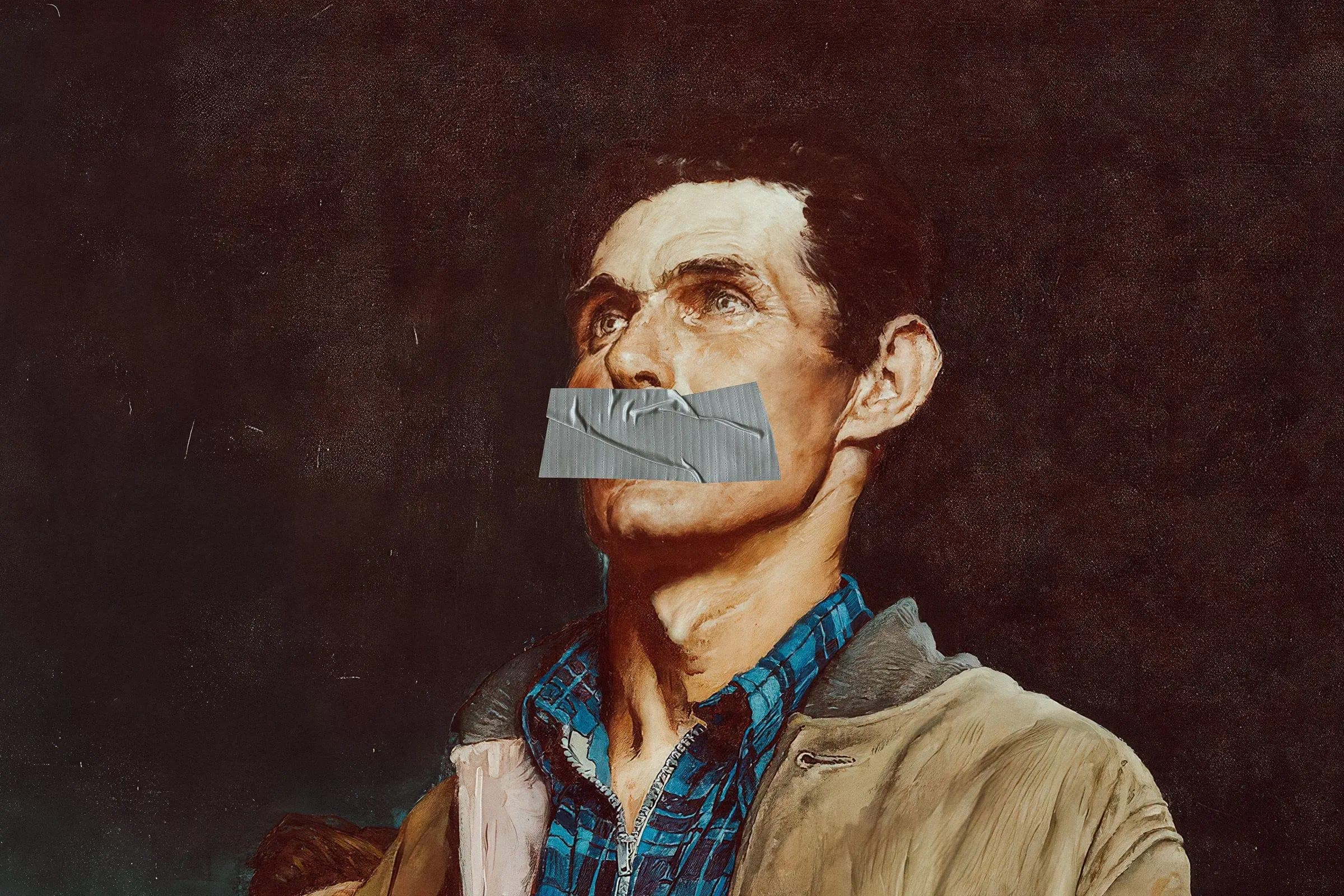
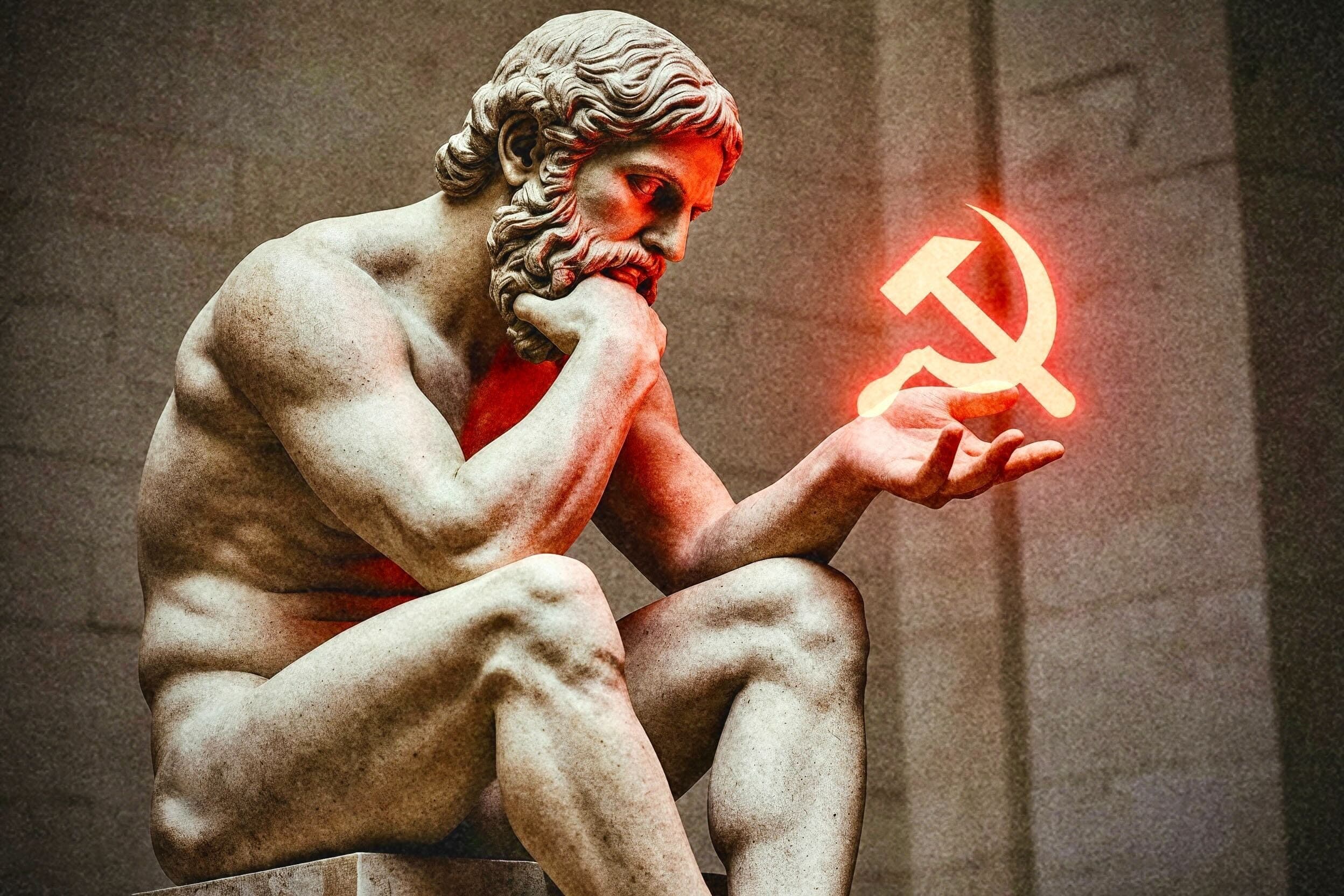
a history of the most important social phenomenon of the late 2010s: the campaign to censor dissident speech on every major platform, and the end of the open internet as we knew it
If you were online a decade ago, you remember the rise of political censorship in the 2010s. Thought police, often going by the Orwellian name “trust and safety,” cracked down on “misinformation” and “hate speech” at every major platform, suppressing or banning tens of millions of accounts, up to and including the President of the United States. NGOs, the US government, and foreign actors (notably, the EU) helped. This was historically unprecedented, massive in scale and influence, and by now it’s largely forgotten. Gen Z has barely any memory of this. Even if it’s remembered, the story of how, exactly, the open internet became a tool to suppress and manipulate speech has never been told.
Here, a full accounting of the rise of online censorship, originally published in Arctotherium’s Substack. Honestly, it should be a book, and hopefully will one day. It is long because it is definitive. Enjoy. And don’t forget.
— Solana
Introduction
In July 2012, the UN Human Rights Council (UNHRC) unanimously adopted a landmark resolution affirming a simple proposition: “The same rights that people have offline must also be protected online, in particular freedom of expression, which is applicable regardless of frontiers and through any media of one’s choice.” Writing in the New York Times, Carl Bildt, Sweden’s foreign minister [at the time], hailed the vote as a “breakthrough of fundamental importance,” insisting that “the free flow of information on the Internet is a global call and not something pushed only by a few Western states.” For a brief moment, it seemed as if the world’s democracies had accepted that the open Internet would be the nervous system of modern liberty. (Foreign Affairs, “The End of the Open Internet”)
Until 2015, an optimistic and liberal (in the best sense) ethos pervaded the internet. Major internet platforms were open and had little content policy beyond bans on real-life criminal activity (stalking, selling illegal goods, child pornography, etc). Aside from these narrow and reasonable explicit exceptions, anyone could go online and converse with interested people around the world about whatever they wanted, in public. These platforms had no real means to control what people talked about on them even if they wanted to, which they didn’t; to the extent an organization can have views all believed in free¹and open online discourse, which promised to make censorship impossible and end the hegemony of 20th century broadcast media.
In this, they were backed up by major non-tech institutions, such as the UN, the EU, the US State Department, and the New York Times,² all of which saw internet freedom as a corollary of offline freedom, and one which would liberalize the world’s remaining non-democratic states in time. These institutions both supported internet freedom rhetorically³ and spent hundreds of millions of dollars creating and disseminating technical tools to evade internet censorship and preserve online anonymity.
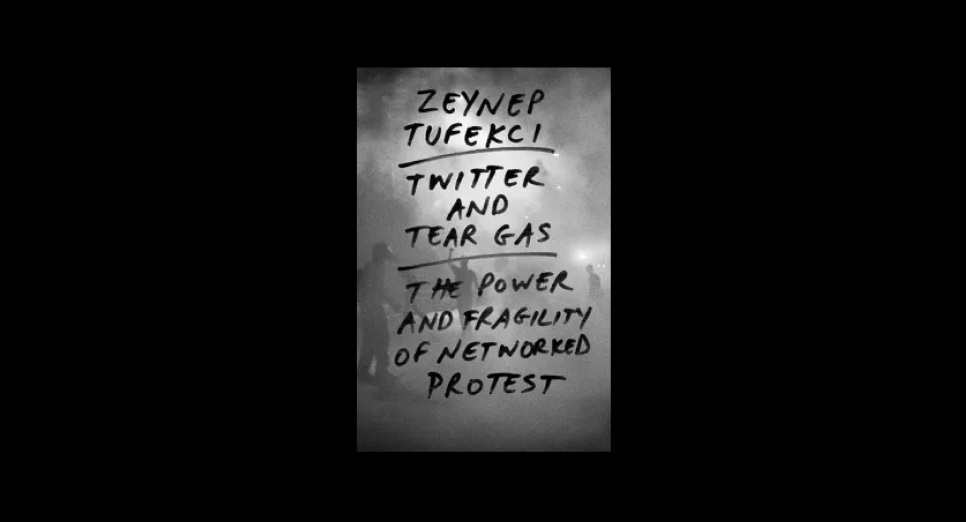
The last gasp of the former left-wing institutional view that freedom of the internet was a good thing might have been New York Times journalist Zeynep Tufekci’s Twitter and Tear Gas, which I read when it was published back in 2017.
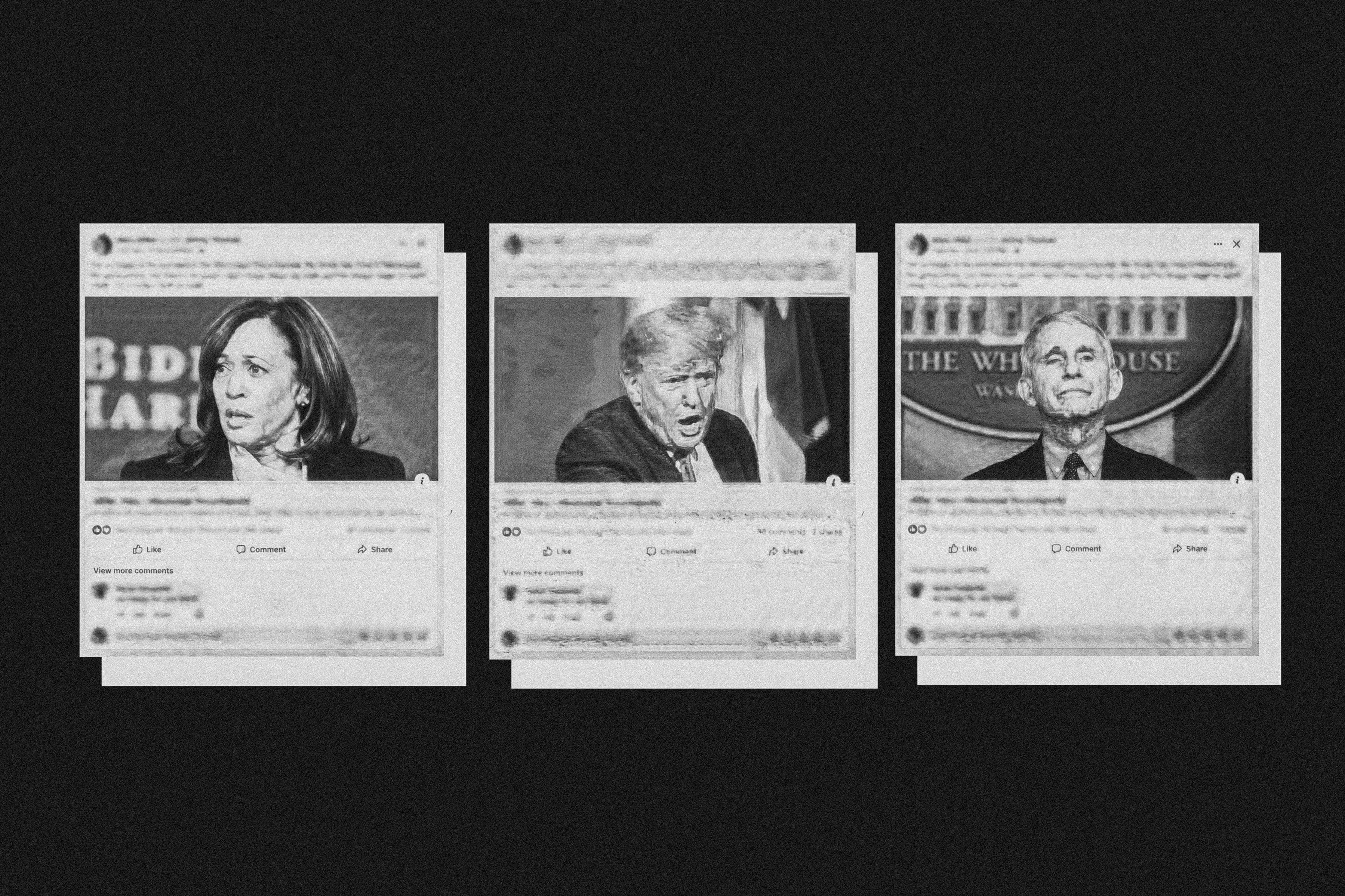
But in just a few years, every single major platform had created strict, but incredibly vague and opaque, ideological content rules backed up by a colossal moderation/censorship apparatus with tens of thousands of human moderators and an entirely new field of machine learning created from nothing. The internet went from a space for people without institutional backing to get their views out to one where heterodox figures and those associated with them were regularly purged and demonetized — and all of this was encouraged by the same non-tech organizations that formerly championed internet freedom. This was justified as a response to (massively overblown and mostly fictitious) Russian influence campaigns,⁴ and as fighting nebulous “hate” — the definition of which could be shifted at will to cover whatever views or ideas the organizers classifying it wanted to, and to exclude those they didn’t — and “misinformation.”
The closure of the internet occurred in two distinct phases: 2015-2019 (associated with the 2015 migrant crisis, Brexit, Donald Trump’s election, and the so-called alt-right) and 2020-2022 (associated with the lockdowns and the 2020 election). Almost all of the technical and organizational infrastructure and conceptual justifications were built out in the first phase, which successfully decapitated and destroyed the previously independent, but by definition fringe, online ecosystem of ideas. In the second phase, the same weapons that previously targeted heterodox online discourse were turned against opposition to the COVID measures du jour and mainstream conservatives.
The scale of censorship has no precedent: tens of millions of accounts were suppressed or banned; billions of posts were removed.
These purges are usually framed as a direct response to particular events or atrocities. For example, Amazon removed all Confederate flag merchandise from their web store ostensibly in response to Dylann Roof’s 2015 massacre of black churchgoers. But that’s not really what happened. Atrocities without a propaganda campaign from the press and political pressure from an opaque network of governments and quasi-government NGOs lead to no changes. There were no mass purges after Audrey Hale’s 2023 murder of elementary schoolers in Nashville motivated by anti-white hatred or the 2016 murder of five Dallas police officers by an ex-marine motivated by the BLM movement. On the other hand, press campaigns not centered around an atrocity, such as the mass deplatforming of YouTube personalities, lead to the same types of purges as the atrocity-based ones.
Atrocities, in themselves, do not immediately cause platform changes; media and behind-the-scenes pressure campaigns do.
Heterodoxy was suppressed offline during the 2010s, too. There were physical attacks on the streets (Charles Murray, for example, was attacked by a mob at Middlebury College in 2017), and firings of public figures with non-internet platforms, such as Bo Winegard and Bryan Pesta. Even moderates and liberals in already left-wing institutions were not immune, as shown by the purges of those who valued pluralism and objectivity within the New York Times, ACLU, and many progressive activist organizations.
As such, the closure of the internet shut down all avenues for heterodox discourse during the Great Awokening. If you spoke heterodox views from an institutional platform, you would be fired. If you spoke in person, you could be beaten or shot. And if you spoke online, you would be censored, suppressed, demonetized, and doxxed.
The closure of the internet is the most important social phenomenon of the late 2010s. Most young people live online. More than half of American adults under 50 say they use the internet “almost constantly.” Globally, almost 70% of people are online, and the average internet user spends almost seven hours a day there. Cyberspace is where most couples meet, where most friend groups hang out, and where most people have fun. There is no alternative⁵ for even semi-serious intellectual or hobbyist discussion outside of a handful of low-capacity and carefully gatekept institutions. The word “censorship” does not go far enough; the internet went from almost completely open and free to a series of “closely monitored playpens,” and what was essentially the American frontier became East Germany in just a few years.⁶