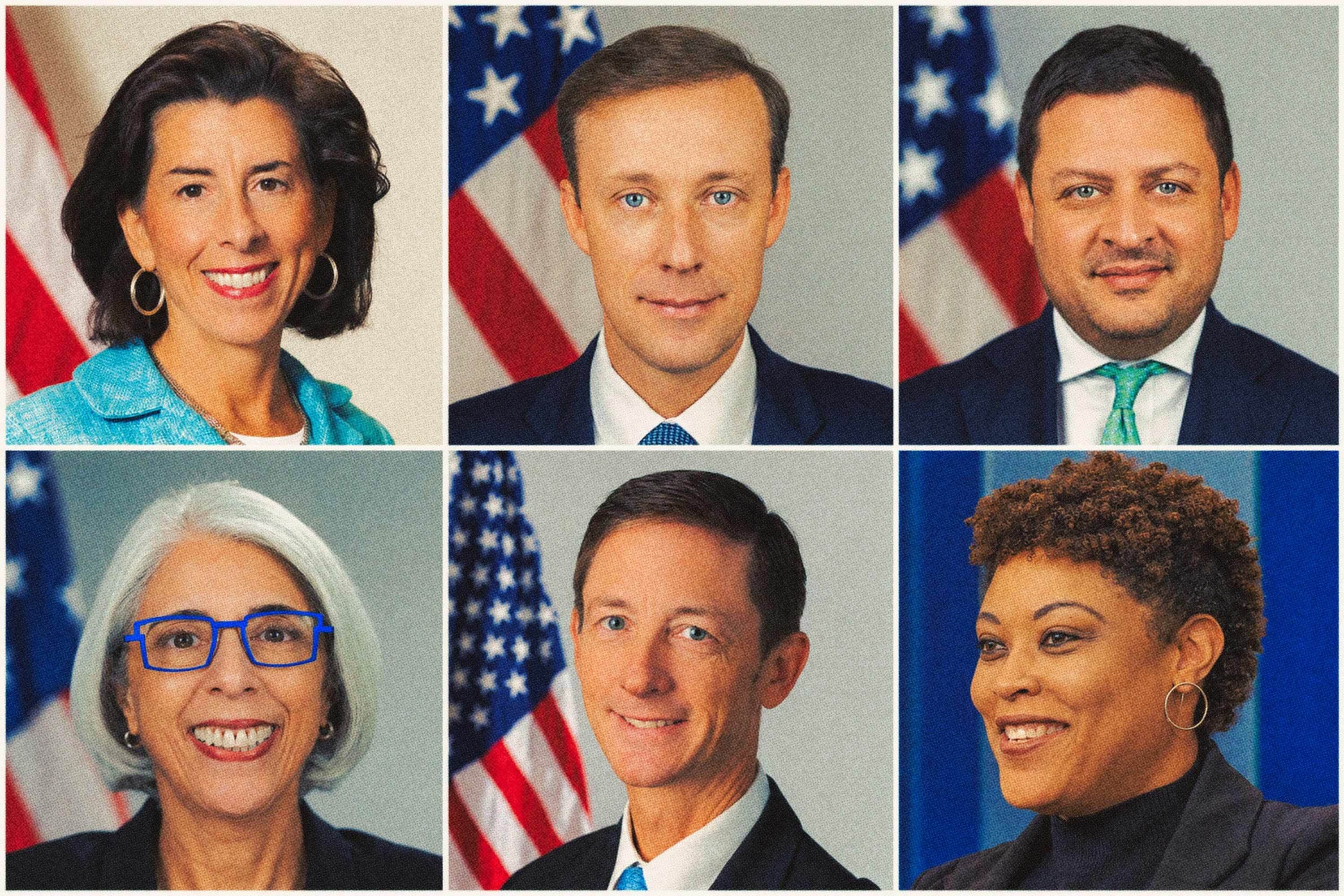
If you ask the average news reader whose White House wrote the first national policies on artificial intelligence, they will probably say it was Joe Biden’s, because that work by his White House got the nation’s attention.
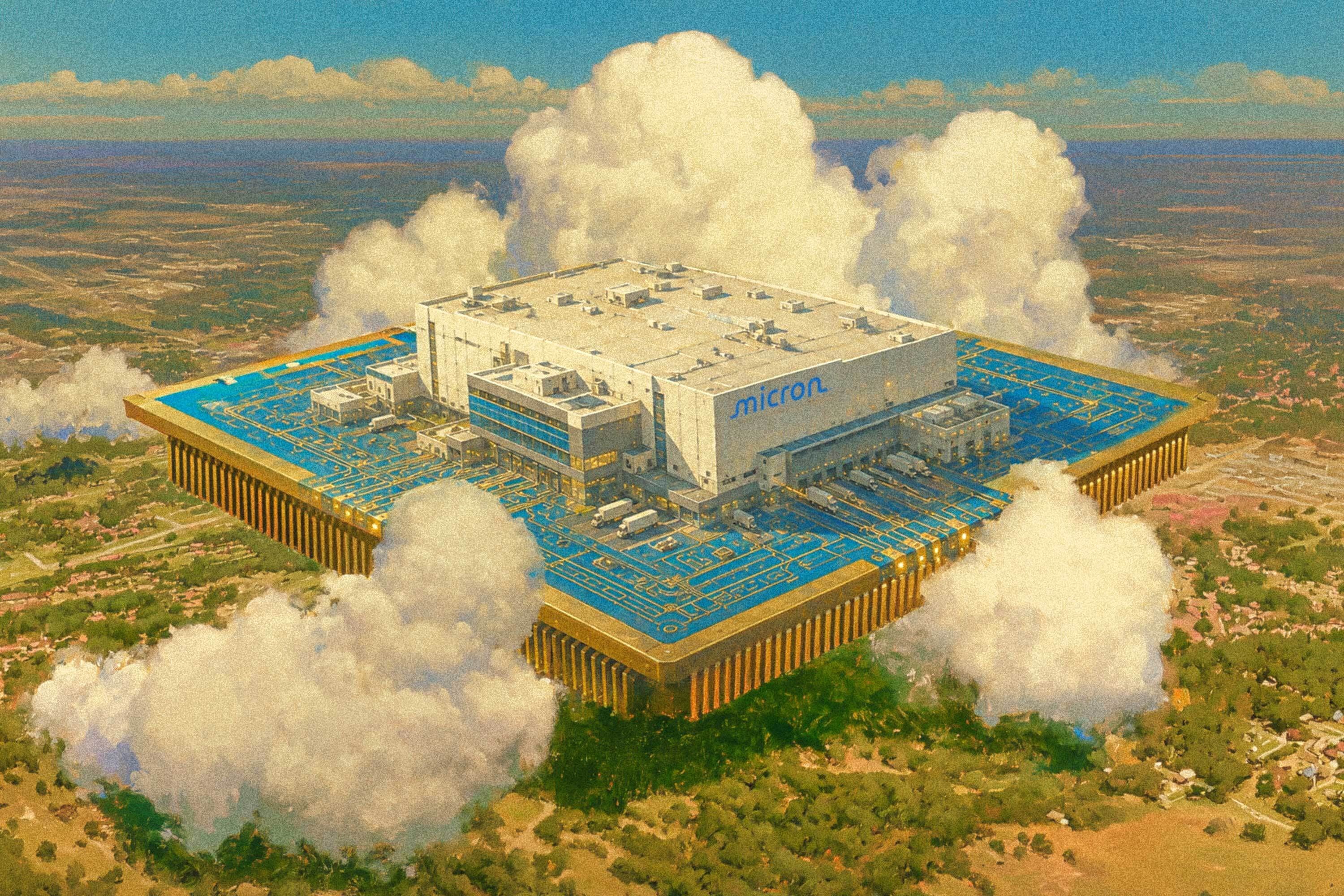
But it was the first Trump administration that got the ball rolling, including starting the conversation that led to the CHIPS Act. Nevertheless, ChatGPT blew everyone’s minds after Biden took office. So his administration is likely to be forever credited with the foundational AI policymaking. And, today, its authors bide their time in hopes of writing national policy again, all the while continuing to make the case that the prior administration had AI policy right all along.
The Biden approach was: Be cautious about cautiously proceeding with caution.
In other words, it was perpetually of two minds about the AI industry. Safety always came first and it took a long time to get around to making policy to secure the US lead. Further, based on the following, it’s doubtful everyone writing AI policy was on the same page about prioritizing leadership.
Since he’s left office, most of Biden’s top AI alums have taken jobs at universities and think tanks, but some have taken spots in the AI industry.
The Biden way
The Biden White House unquestionably did an enormous amount of work on artificial intelligence policy.
Among the highlights, the Biden White House’s first executive order on AI was the longest ever written (per Brookings). It also wrote a blueprint for an AI bill of rights, wrangled frontier firms to let it test models, pulled off AI diplomacy in China and at the UN and, by the end of the 46th president’s term, got around to considering U.S. leadership.
Its policymaking began in fear of AI, but eventually it got serious about China as a competitor and that seemed to wake the team up to the idea that it could be big enough to yield another American century.
Pirate Wires reviewed what 35 former Biden staffers who touched AI policy are up to now (plus 10 less partisan folks from an office in his Department of Defense). In what follows, we cover the alums most likely to matter to the future of AI policy.